Hurricane Preparedness in Palm Beach County, FL: Your Complete 2026 Season Guide
Hurricane Season Is Here. Here's What to Do First.
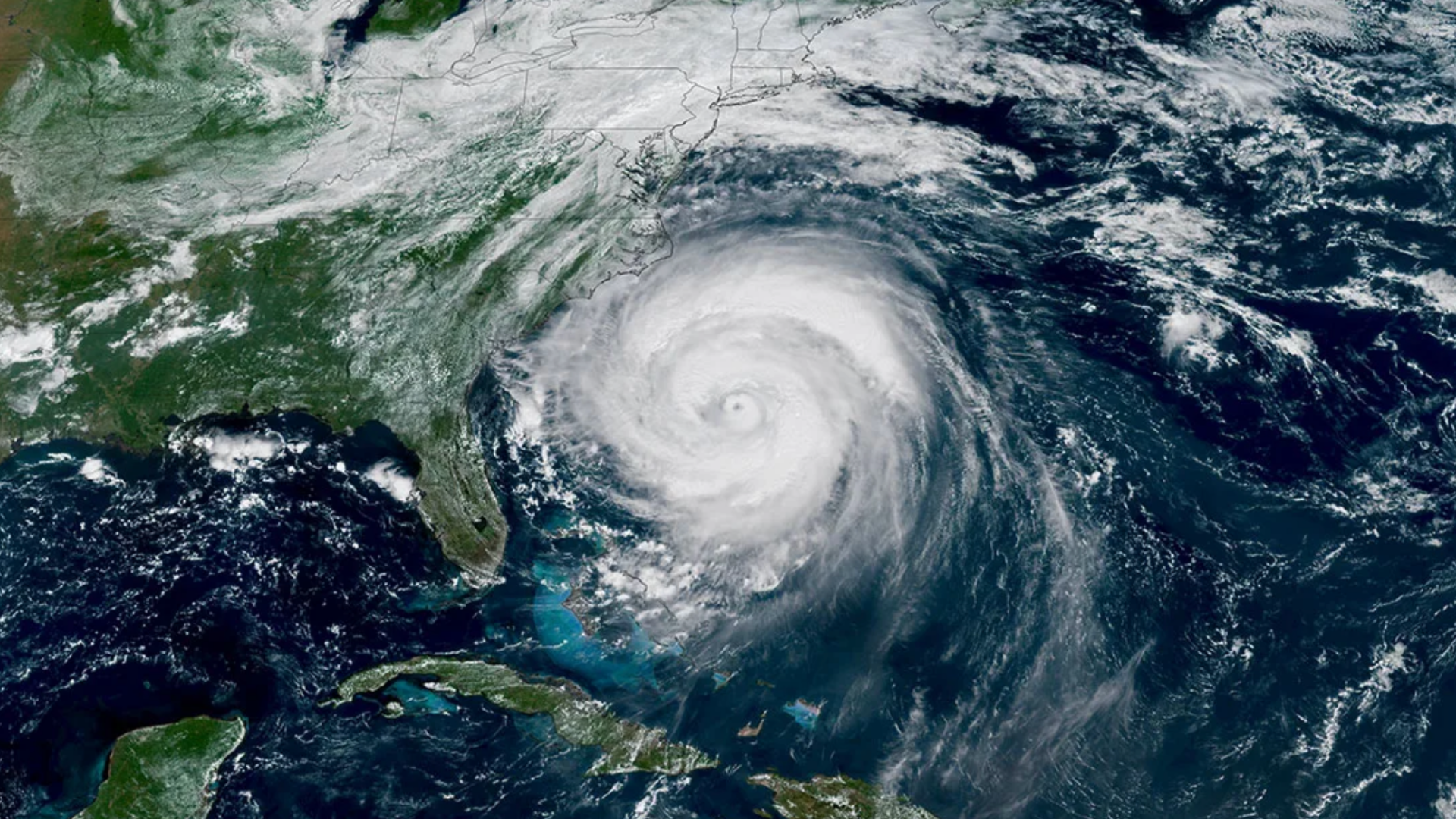
Hurricane season in Palm Beach County runs June 1 through November 30, and if you've lived here long enough, you know the drill: forecasters release their seasonal outlook, the numbers look manageable, and it's tempting to exhale a little early. NOAA's 2026 forecast is actually one of the more encouraging ones in recent memory, but the local wisdom hasn't changed. A quieter season statistically does not mean South Florida is off the radar. It takes one storm tracking up the coast to remind everyone of that.
What separates the households that come through storm season calmly from the ones that scramble isn't luck. It's preparation done in June rather than when a storm is already named. This guide covers everything a Palm Beach County homeowner, buyer, or newcomer needs to know heading into the 2026 season: the forecast, your zone, your kit, the upgrades worth making, and the insurance and real estate angles that matter specifically in this market.
Table of Contents
- Hurricane Season 2026: What NOAA Is Forecasting
- Why This Matters for Palm Beach County Specifically
- Step 1: Know Your Zone
- Step 2: Build Your Hurricane Supply Kit
- Step 3: Protect Your Home Before a Storm
- Step 4: Should You Install Impact Windows?
- Step 5: Don't Overlook Flood Insurance
- Step 6: Harden Your Home with State Grant Money
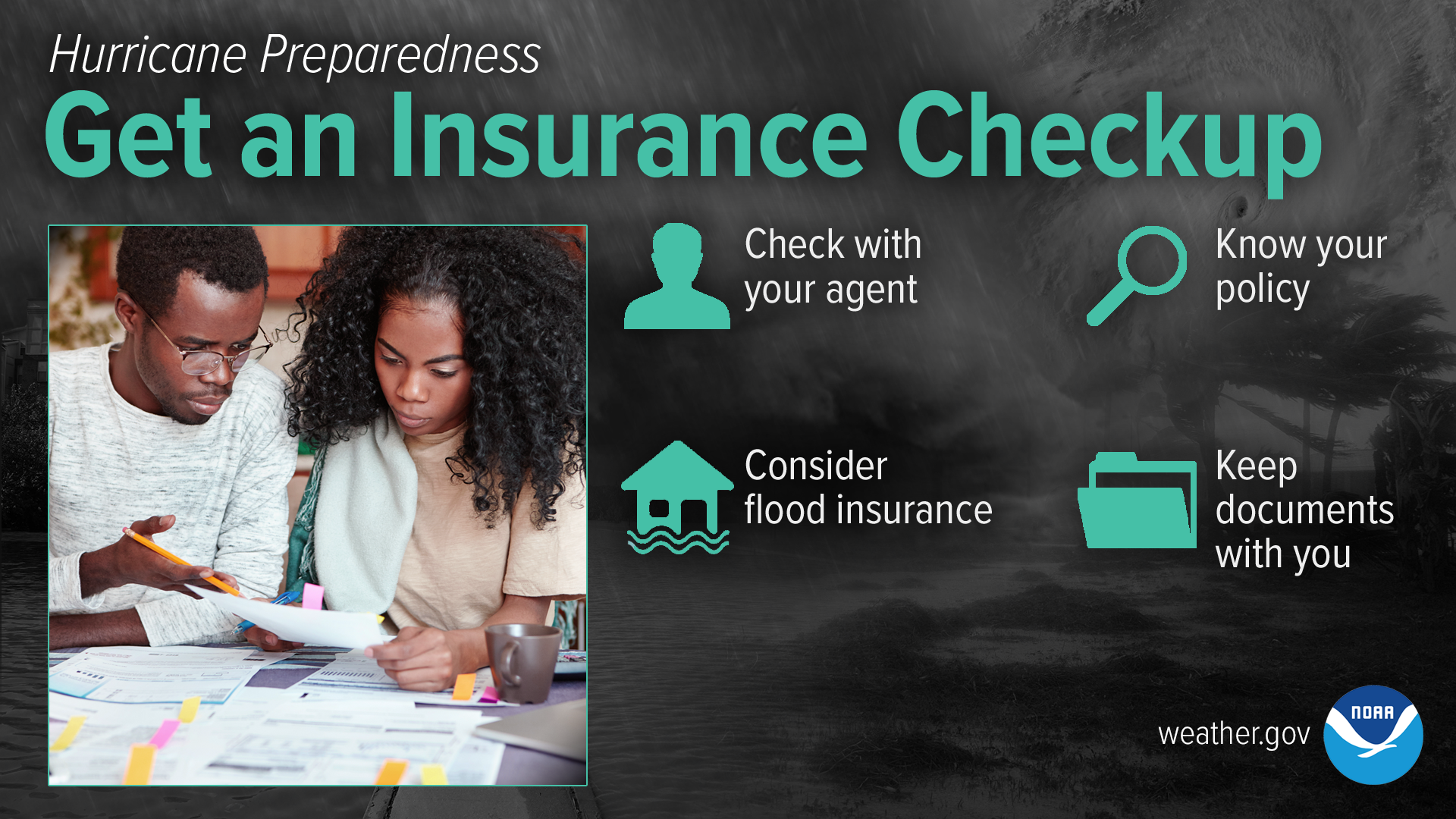
- Step 7: Check Your Insurance Before, Not After
- When a Watch or Warning Is Issued: What to Do
- Buying or Selling During Hurricane Season
- After the Storm: Re-Entry and Recovery
- Hurricane Prep Checklist at a Glance
- FAQ: Hurricane Preparedness in Palm Beach County
Hurricane Season 2026: What NOAA Is Forecasting
NOAA's official 2026 Atlantic hurricane season outlook forecasts:
- 8 to 14 named storms total
- 3 to 6 reaching hurricane strength
- 1 to 3 becoming major hurricanes at Category 3 or higher
- A 55% chance of a below-normal season overall
The driving factor is a developing El Nino pattern expected to strengthen through late summer and fall. El Nino typically increases wind shear over the Atlantic, which makes it harder for tropical systems to organize and intensify. That's genuinely good news as seasonal forecasts go.
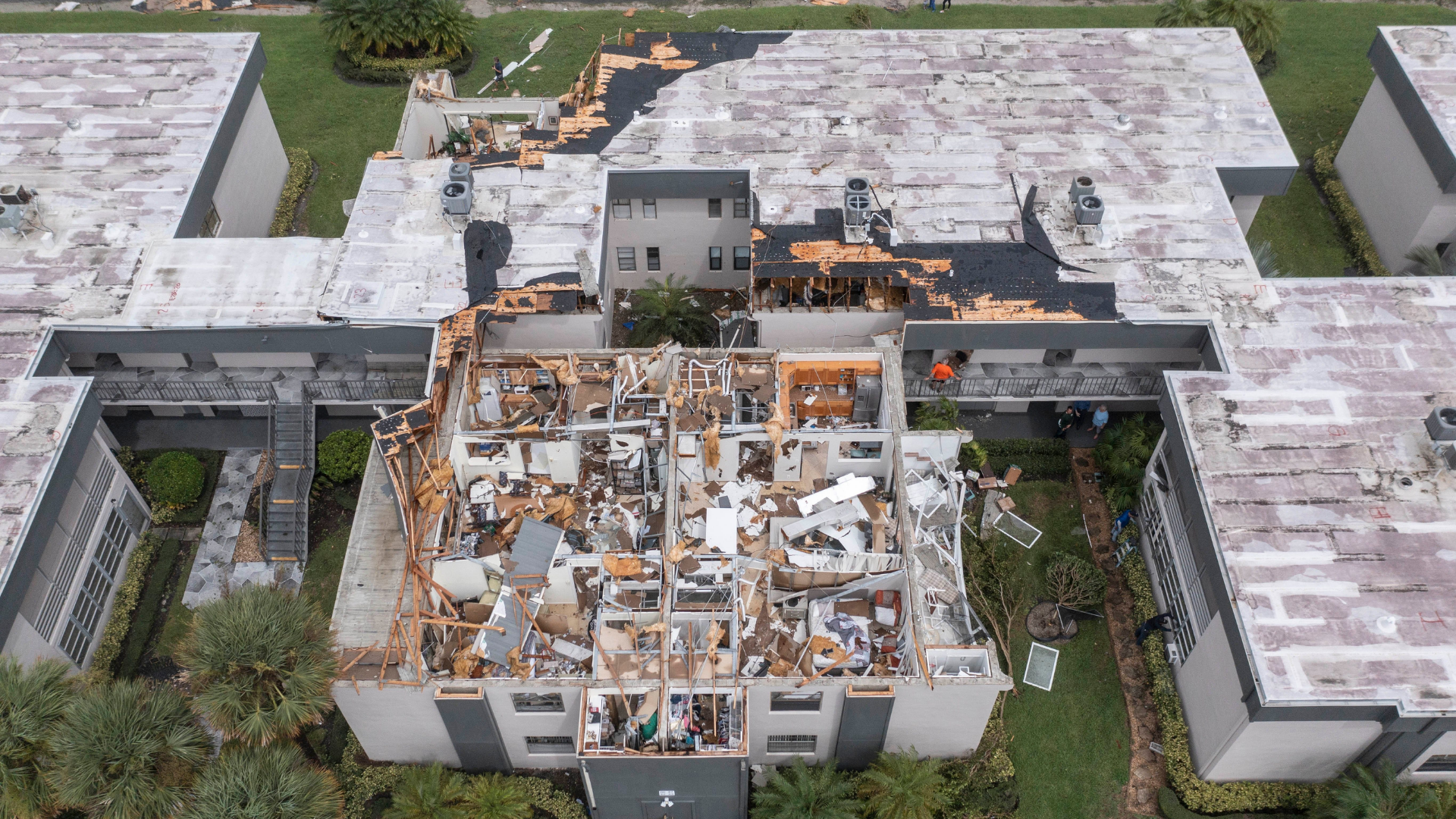
The part worth holding onto, though, is what NOAA's own director said when releasing the forecast: it only takes one. Below-average seasons have produced some of Florida's most destructive storms. The seasonal forecast describes overall Atlantic basin activity, not whether any given storm will track toward the Treasure Coast or the Palm Beaches. Peak activity runs from mid-August through October, which is why the smart move is to have all preparation finished before summer really gets going.

Why This Matters for Palm Beach County Specifically
Palm Beach County sits in one of the most desirable stretches of the Florida coast, with access to the Intracoastal, proximity to the ocean, a luxury real estate market that continues to attract buyers from across the country, and the kind of year-round outdoor lifestyle that's genuinely hard to replicate anywhere else. It also sits in a part of Florida where tropical weather is a real seasonal variable, and property owners here need to treat it accordingly.
The good news is that preparation, once it becomes routine, is not particularly stressful. Most of what we're covering in this guide takes a few hours spread across the early part of the season. Homeowners who do it consistently tell us the same thing: after the first year or two, it just becomes part of how they think about June.
Step 1: Know Your Zone
A common assumption is that everyone living near the water needs to evacuate when a storm approaches. That's not always accurate, and the reverse is worth noting too: plenty of inland areas are at meaningful flood risk even without being on the water. Evacuation orders in Palm Beach County are based on storm surge risk, flooding potential, home construction type, elevation, and guidance from local emergency management. Zone A covers the areas that evacuate first, generally the lowest-lying and most coastal. Zones B through E follow depending on storm strength and track. Mobile, manufactured, and sub-standard homes must evacuate regardless of which zone they sit in. Evacuation zone and flood zone are two separate designations. Both matter, and both are worth looking up before you need them.
- Evacuation zone: Use the Know Your Zone address tool HERE. Never go off your ZIP code alone, since two addresses on the same block can be in different zones depending on elevation.
- Flood zone: The same county emergency management site has a separate look-up that shows your FEMA flood zone designation and your relative flood risk.
A few other resources worth setting up now:
- AlertPBC is Palm Beach County's free emergency notification system. It delivers alerts by call, text, or email based on addresses you register. If you own rental property or a second home in the county, add those locations.
- Palm Tran Connection at 561-649-9838 provides pre-registered evacuation transportation for residents without a vehicle, those with disabilities, or mobile and manufactured home residents. Registration happens before a storm, not during one.
- Palm Beach County Emergency Management: 561-712-6400
If you're relocating to Palm Beach County from out of state and want a broader orientation to the area,
our free Relocation Guide covers this alongside the rest of what new residents need to know.

Step 2: Build Your Hurricane Supply Kit
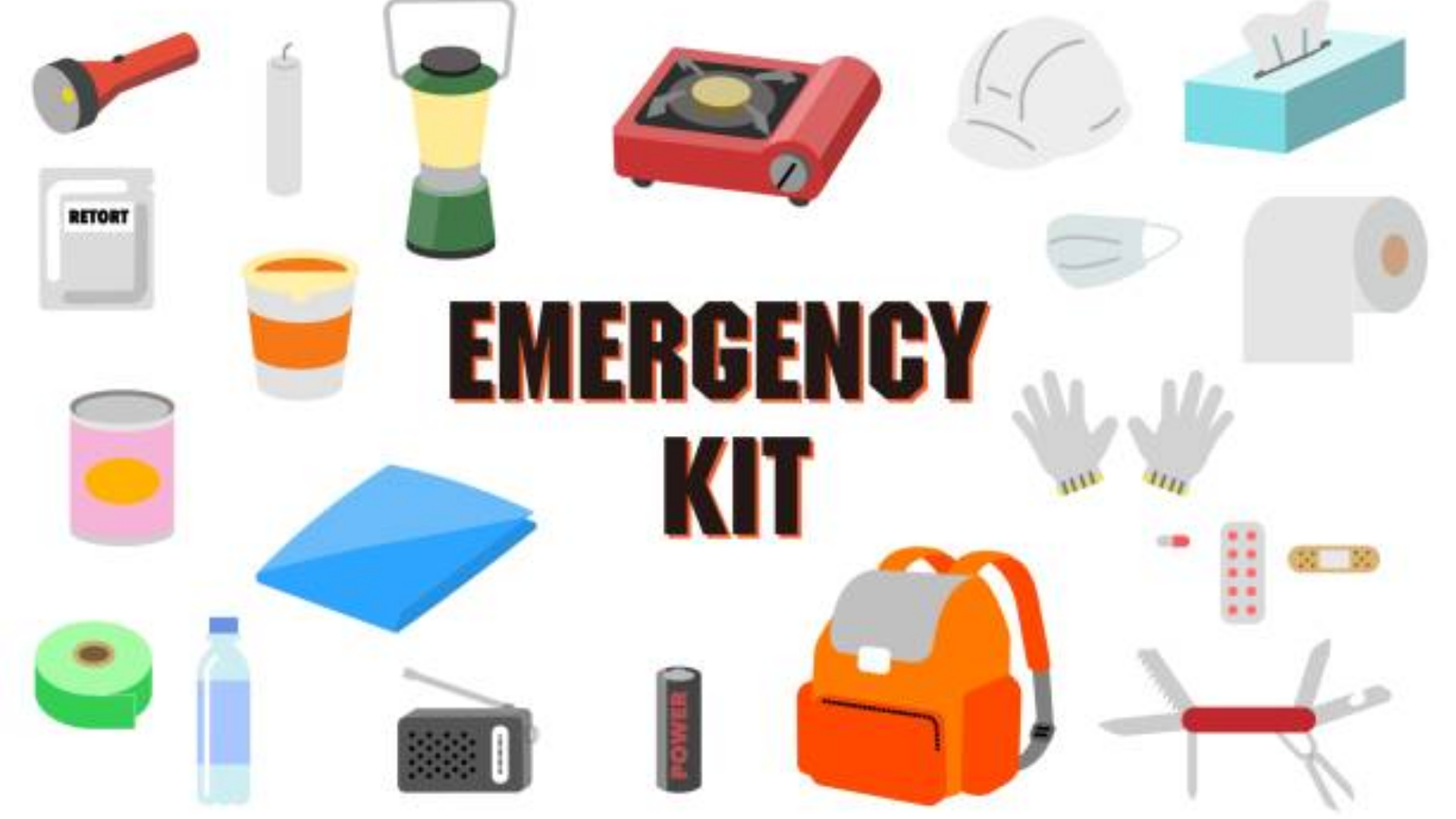
Florida emergency officials currently recommend at least seven days of supplies on hand, since power restoration and road access after a significant storm can take considerably longer than most people expect. A well-stocked kit, built before the season heats up, means one less thing to manage when a storm is approaching.
Water
- One gallon per person per day for at least seven days
- Additional supply for pets
Food
- Shelf-stable options: canned goods, peanut butter, protein bars, dried fruit
- Manual can opener
- Formula, baby food, or other specialty items as needed for your household
Medical Essentials
- A 7 to 14 day supply of any prescription medications (talk to your doctor or pharmacy about emergency supplies well ahead of season)
- First aid kit with fresh supplies
- Backup glasses, contacts, or hearing aid batteries
- Any medical equipment and the batteries or power backup it requires
Power and Communication
- Flashlights with backup batteries
- Portable phone chargers and power banks, kept charged
- Battery-powered or hand-crank weather radio
Everything Else
- Cash, since card readers and ATMs may be unavailable for days after a storm
- A full tank of fuel before any watch is issued
- Pet food, crate, and vaccination records if you may need a pet-friendly shelter
- Copies of insurance documents, IDs, and a home inventory in a waterproof bag or container
- Basic hygiene supplies
Stocking up in June means no lines, no shortages, and no last-minute stress. Waiting until a storm is named means competing with the rest of the county for the same water and batteries at the same time.

Step 3: Protect Your Home Before a Storm
Some of the most effective pre-storm preparation is also the most straightforward. Getting ahead of it before the season peaks means you have time to actually address anything that needs attention.
Before season begins:
- Trim trees and remove any loose or overhanging branches near the roofline. In high winds, these become serious projectiles.
- Clean gutters and drains so water has a clear path during heavy rain events.
- Inspect your roof for soft spots, missing shingles, flashing issues, or anything worth addressing before a claim gets involved.
- Test your generator and keep fuel stored properly. If you plan to use one after a storm, practice setup and make sure everyone in your household knows that generators run outside only, well away from windows and doors.
- Review your storm shutters or hurricane panels while you have time to replace or repair any that aren't working correctly.
- Photograph your home's current condition and document your contents now, before anything happens. This step consistently makes a real difference when someone files an insurance claim.
For waterfront property owners, the to-do list extends to boats, dock lines, paddleboards, kayaks, and any outdoor furniture or equipment. The window for securing a boat properly closes fast once winds start building, so plan to handle it well before a watch is issued
Step 3: Protect Your Home Before a Storm
Some of the most effective pre-storm preparation is also the most straightforward. Getting ahead of it before the season peaks means you have time to actually address anything that needs attention.
Before season begins:
- Trim trees and remove any loose or overhanging branches near the roofline. In high winds, these become serious projectiles.
- Clean gutters and drains so water has a clear path during heavy rain events.
- Inspect your roof for soft spots, missing shingles, flashing issues, or anything worth addressing before a claim gets involved.
- Test your generator and keep fuel stored properly. If you plan to use one after a storm, practice setup and make sure everyone in your household knows that generators run outside only, well away from windows and doors.
- Review your storm shutters or hurricane panels while you have time to replace or repair any that aren't working correctly.
- Photograph your home's current condition and document your contents now, before anything happens. This step consistently makes a real difference when someone files an insurance claim.
For waterfront property owners, the to-do list extends to boats, dock lines, paddleboards, kayaks, and any outdoor furniture or equipment. The window for securing a boat properly closes fast once winds start building, so plan to handle it well before a watch is issued
Step 4: Should You Install Impact Windows?
Impact-rated windows come up in nearly every buyer conversation we have about Palm Beach County real estate, and for good reason. They deliver value that extends well beyond storm season.
From a protection standpoint, impact glass is engineered to hold even when struck by debris, which prevents the rapid pressure change inside a home that causes the most structural damage during a hurricane. That's the core function, but the benefits stack from there:
- Insurance savings. Once documented with a wind mitigation report, impact windows typically reduce the wind portion of a homeowners premium by 15 to 30%. On a meaningful South Florida premium, that adds up.
- Security. Impact glass resists forced entry in ways that standard windows simply don't.
- No deployment required. Unlike storm panels or accordion shutters, there's nothing to install when a watch is issued.
- Energy efficiency. The insulating properties of impact glass reduce cooling costs, which matters a great deal in a Florida summer.
- Resale appeal. In our market, impact windows are one of the most consistently requested features among buyers coming from out of state, particularly those who are already thinking carefully about their future insurance costs.
For sellers considering a pre-listing upgrade, impact windows tend to recoup their cost through a combination of easier buyer conversations, faster offers, and the insurance savings the new owner will benefit from immediately.
Step 5: Don't Overlook Flood Insurance
Standard homeowners insurance does not cover flood damage. This is the detail that surprises more new Florida residents than almost anything else we discuss.
Flood coverage is purchased separately, either through the National Flood Insurance Program or a private flood carrier. And timing matters in a way that catches people off guard: most flood policies have a 30-day waiting period before coverage takes effect. By the time a storm is named and tracking toward Florida, it's too late to get protection for that event.
A few things worth understanding:
- Properties in FEMA-designated high-risk flood zones will typically require flood insurance as a lender condition, but risk exists outside those zones too. Storm surge and heavy rainfall during a hurricane don't stop at the flood zone boundary on a map.
- Flood insurance and homeowners insurance are completely separate policies with separate premiums, separate deductibles, and a separate claims process.
- Pricing varies considerably depending on the property, its elevation, and which carrier or program you use.
If you're currently shopping for a home in Palm Beach County and want to understand what a property's flood zone designation actually means for your costs and risk profile, that's part of the due diligence conversation we walk every buyer through.

Step 6: Harden Your Home with State Grant Money
If the cost of upgrading windows, doors, or roofing has been a barrier, the My Safe Florida Home Program is worth a close look this season.
The program offers eligible homeowners two things: a free wind-mitigation inspection and a matching grant of up to $10,000 toward approved improvements. Covered upgrades include impact windows and doors, hurricane shutters, roof-deck attachment reinforcement, and wind-rated garage doors. The grant works on a 2:1 basis for most applicants, meaning the state contributes two dollars for every dollar you put in up to the cap. Lower-income homeowners may qualify for the full $10,000 without a matching requirement.
A few details that matter before you start:
- Only improvements your inspection report specifically recommends are eligible. The inspector determines what your home needs based on its current condition. You cannot choose upgrades outside of that list.
- No work can begin before you receive written grant approval. Work done before that point is not reimbursable.
- The program reimburses you after the work is completed and verified, which means you need to be able to pay your contractor in full upfront and wait for the reimbursement.
- Funding is first-come, first-served. The first 60 days of each application period prioritize lower-income homeowners and applicants over 60, after which the general pool opens. Applying early in the season significantly improves your odds.
Even if you don't pursue the grant, the free wind mitigation inspection alone is worth scheduling. The report documents your home's existing protection features, and sharing it with your insurance carrier can unlock discounts that pay for the inspection quickly.
Start at
mysafeflhome.com.
Step 7: Check Your Insurance Before, Not After
For the first time in several years, the news on Florida homeowners insurance is genuinely encouraging.
Citizens Property Insurance approved its first rate decrease in a decade this year, with policyholders across South Florida, including Palm Beach County, seeing some of the more meaningful reductions. At the same time, approximately 17 new private insurance companies have entered the Florida market following legislative reforms passed in 2022 and 2023. Citizens' overall policy count has dropped more than 70% from its 2023 peak, which reflects a private market that's actually competing for Florida business again.
None of this means homeowners insurance is inexpensive here. Florida premiums remain well above the national average, particularly in coastal counties. But the direction has changed, and this is a reasonable time to shop around and confirm your current coverage is still the best option available.
Before peak season, make sure:
- Your carrier has current wind mitigation documentation on file. If you've added impact windows, a newer roof, or shutters since your last renewal, submit the updated report. This is the most direct way to reduce your premium.
- Your roof age is on your radar. A roof older than 15 years is one of the leading reasons carriers decline coverage, regardless of everything else about the property.
- You have a clear picture of your flood coverage situation, since it's a separate policy with its own timeline requirements.
- If you've received a Citizens take-out offer from a private carrier within 20% of your current premium, you're generally required to accept it under Florida law. Read those letters carefully rather than setting them aside.
When a Watch or Warning Is Issued: What to Do
The difference between a watch and a warning is more than vocabulary. Each one calls for a different response.
Hurricane Watch
A watch means hurricane conditions are possible within approximately 48 hours. This is the cue to finish anything still on your preparation list, since the next phase may not give you time.
During a watch:
- Complete all remaining prep, including fueling your vehicle, before lines form at gas stations
- Charge all electronics, power banks, and backup batteries
- Review your evacuation plan and confirm your destination if you're in an evacuation zone
- Bring in or secure all outdoor items: furniture, planters, decorations, anything that can move in wind
Hurricane Warning
A warning means hurricane conditions are expected within 36 hours or less. At this point, your plan should already be ready to execute.
During a warning:
- If you're in an ordered evacuation zone or a mobile home, leave promptly. Do not wait for conditions to deteriorate before you go.
- If you're sheltering in place, stay off roads as conditions worsen and monitor local emergency management and the National Hurricane Center for updates.
- Stick to information from official sources rather than social media, which tends to amplify both panic and misinformation during active storm threats.
The general rule:
a watch is your last window to act, and a warning is confirmation that you already did.

Buying or Selling During Hurricane Season
Real estate in Palm Beach County stays active through hurricane season. Many buyers are relocating here during the summer months, and closings continue through October and beyond. The season just adds a few additional things to keep in mind.
For buyers, ask about flood zone and evacuation zone early in your search process rather than after you're emotionally attached to a property. Request a wind mitigation report if one exists. Get your insurance quote during the due diligence period, not the week before closing. Two homes that look nearly identical on paper can carry very different insurance costs depending on roof age, construction type, and what window and door protection is in place.
For sellers, a recent wind mitigation inspection, documented impact glass, or a newer roof are concrete selling points in this market. Buyers are factoring insurance costs into their calculations earlier than they used to, and a home that already has those boxes checked is a smoother sale.
For anyone relocating from out of state, the flood zone and insurance landscape here takes some getting used to if you're coming from a market where neither one is a major factor. Our
FREE Relocation Guide addresses this alongside everything else a new Palm Beach County resident needs to navigate.
After the Storm: Re-Entry and Recovery
If a storm does move through, a methodical approach to recovery makes a real difference.
- Do not re-enter an evacuated area until local officials issue the all-clear. Monitor AlertPBC and local news for area-specific re-entry updates.
- Document all damage with photographs before beginning any cleanup. Keep every receipt for temporary repairs, since both will be important for your insurance claim.
- Treat every downed power line as live. Stay away from them entirely until utility crews have cleared the area.
- Contact your insurance carrier promptly to report damage and begin the claims process.
- Verify any contractor's license at
myfloridalicense.com before signing a contract or writing a check. Post-storm periods unfortunately attract unlicensed operators every season, and it's easy for homeowners in a difficult situation to get taken advantage of.
Hurricane Prep Checklist at a Glance
- Look up evacuation zone and flood zone at ReadyPBC.org
- Register for AlertPBC emergency notifications
- Build or restock supply kit (water, food, medications, documents, cash, fuel)
- Write down your evacuation route and destination before you need it
- Trim trees, clean gutters, inspect roof before peak season
- Test generator and review storm shutter condition
- Photograph home and document contents for insurance purposes
- Schedule free wind mitigation inspection at mysafeflhome.com
- Confirm insurance carrier has current wind mitigation documentation
- Price out flood insurance if not already in place
- Palm Beach County Emergency Management: 561-712-6400
FAQ: Hurricane Preparedness in Palm Beach County
When is hurricane season, and how active is the 2026 season expected to be?
Hurricane season officially runs June 1 through November 30, with peak activity typically occurring between mid-August and October. NOAA's 2026 forecast is for a below-average Atlantic season, with 8 to 14 named storms, largely due to developing El Nino conditions. Forecasters continue to stress, however, that below-average season-wide activity does not mean any individual location is safe from a significant storm.
How do I find my evacuation zone in Palm Beach County?
Use the Know Your Zone address look-up at ReadyPBC.org. Zones run from A through E, with Zone A being the first ordered to evacuate. The county advises against using a ZIP code as a proxy, since zones are based on elevation, flood risk, and construction type rather than postal boundaries.
Do I need flood insurance if I'm not in a high-risk flood zone?
It's worth pricing out regardless. Standard homeowners insurance doesn't cover flooding, and storm surge or rainfall during a hurricane can produce flooding in areas well outside the highest-risk zones. Most flood policies also carry a 30-day waiting period, so purchasing after a storm is named will not provide coverage for that event.
What is the My Safe Florida Home program and is it still active in 2026?
It's a state-funded program providing a free wind-mitigation inspection and a matching grant of up to $10,000 for approved home-hardening improvements. It is active in 2026. Funding is allocated on a first-come, first-served basis within each cycle, with priority given early in the period to lower-income applicants and those over 60. Apply at mysafeflhome.com.
Are hurricane impact windows worth the investment in Palm Beach County?
For most homeowners, yes. They provide storm protection without deployment, reduce the wind portion of insurance premiums by 15 to 30% once properly documented, improve home security, cut energy costs, and are among the most valued features in our resale market. The My Safe Florida Home grant can also offset a significant portion of the cost for eligible homeowners.
Is Florida homeowners insurance actually improving in 2026?
In many respects, yes. Citizens Property Insurance cut rates this year for the first time in a decade, roughly 17 new private carriers have entered the Florida market since 2022, and Citizens' overall policy count has dropped dramatically from its 2023 peak. Premiums remain high relative to the national average, but the market has stabilized meaningfully and is moving in a better direction.
How does hurricane season affect buying or selling a home in Palm Beach County?
It doesn't stop the market, but it does add a few things to factor in. Buyers should research flood zone, evacuation zone, and likely insurance costs before making an offer. Sellers with impact windows, newer roofs, or documented wind mitigation are in a stronger position than they may realize. And everyone benefits from working with agents who know how to keep a transaction on track when weather creates scheduling complications.
Final Thoughts
Living in Palm Beach County comes with a lot that's genuinely hard to find anywhere else. The weather, the water, the communities, the lifestyle. Tropical season is part of the picture, and the homeowners who handle it best treat preparation as routine rather than reactive. Know your zone, stock your kit, take a hard look at hardening and insurance while conditions are calm, and you'll be in good shape for whatever the season brings.
If you're buying, selling, or relocating here and want to talk through what all of this looks like for a specific property or neighborhood,
schedule a call with our team or reach us at
(561) 944-2811. We're happy to walk you through it.
Eb Stone Realty
Your source for clear, local insight on Palm Beach County real estate, from market trends and neighborhood highlights to buying and selling tips that actually help.
SHARE THIS
Prefer To Read
Recent Updates and Insights.
From market trends to home-buying tips, explore valuable insights to guide your next move.