Living in West Palm Beach is about much more than a downtown skyline, a few waterfront towers, or its famous neighbor across the Intracoastal. This is a city with a very intentional origin story, historic neighborhoods with real character, a growing financial core, and a lifestyle that feels far more urban than many people expect in Palm Beach County.
For anyone considering moving to Palm Beach County, it is important to understand that West Palm Beach and Palm Beach Island are not the same thing. They were built as two distinct places from the beginning, and today they still offer very different lifestyles, homes, and price points.
Living In West Palm Beach Vs Palm Beach
One of the biggest misconceptions is that West Palm Beach is simply downtown or that it is interchangeable with Palm Beach Island. It is not. Palm Beach Island sits east of the Intracoastal Waterway and was created as an exclusive resort destination. West Palm Beach sits directly west of the water and became the commercial, residential, and working center that supported the island.
That difference still matters. Living in West Palm Beach can mean historic single-family homes, walkable city streets, waterfront high-rises, Brightline access, restaurants, arts, and a growing professional scene. Palm Beach Island is its own world. West Palm Beach has become a destination in its own right, not just the city across the bridge.
History Of West Palm Beach
The story starts in 1893, when railroad and Standard Oil tycoon Henry Flagler extended the Florida East Coast Railway into the Lake Worth Lagoon area. His plan was deliberate. Palm Beach Island would serve the Gilded Age elite, while West Palm Beach would house railway workers, artisans, and service staff while functioning as the regional commercial hub.
West Palm Beach incorporated on November 5, 1894, making it older than Miami. Flagler’s original downtown grid remains recognizable today. East-west streets carry names like Clematis, Banyan, and Fern. North-south streets include Narcissus, Olive, and Dixie.
Clematis Street quickly became the banking and retail center. Banyan Street took on a more colorful frontier identity, known for saloons and gambling halls. During the 1920s, the city boomed, its population quadrupled, and neighborhoods such as El Cid and Old Northwood took shape.
Then came the 1928 Okeechobee Hurricane, which damaged parts of the city and contributed to an early economic downturn. After World War II, air conditioning and I-95 pushed development farther west. By the 1970s and 1980s, downtown had struggled with vacancies and crime.
The comeback began in the 1990s. SunFest brought large crowds downtown, the Kravis Center strengthened the performing arts scene, and the Dreyfoos School of the Arts became an important educational anchor. CityPlace helped restore downtown as a true live-work-play destination. After COVID, an influx of out-of-state wealth, corporate activity, and financial firms accelerated the city’s next chapter.
Today, living in West Palm Beach means being part of a coastal city that has gone from service town to urban luxury and business center. Brightline’s connection to Miami, Fort Lauderdale, and Orlando only reinforces that momentum.
Best Areas For Living In West Palm Beach
For most relocation and second-home buyers, the conversation centers on the coastal core east of I-95. This is where you find the waterfront, historic districts, walkable downtown, new development, and the city’s strongest concentration of lifestyle amenities.
West of I-95 may still carry a West Palm Beach address, but it is a different market with different housing patterns and priorities. When people talk about the newest luxury development, historic architecture, and the most walkable lifestyle, they are usually talking about the area east of I-95.
The coastal section generally breaks into three distinct bands:
- Northwood and North Flagler: Historic homes, private lots, new construction, and waterfront towers.
- Downtown and Nora: Walkability, dining, Brightline access, condos, offices, and urban energy.
- South End and Flagler Corridor: Historic districts, prestigious single-family homes, waterfront luxury, and high-end new construction.
Northwood And North Flagler In West Palm Beach
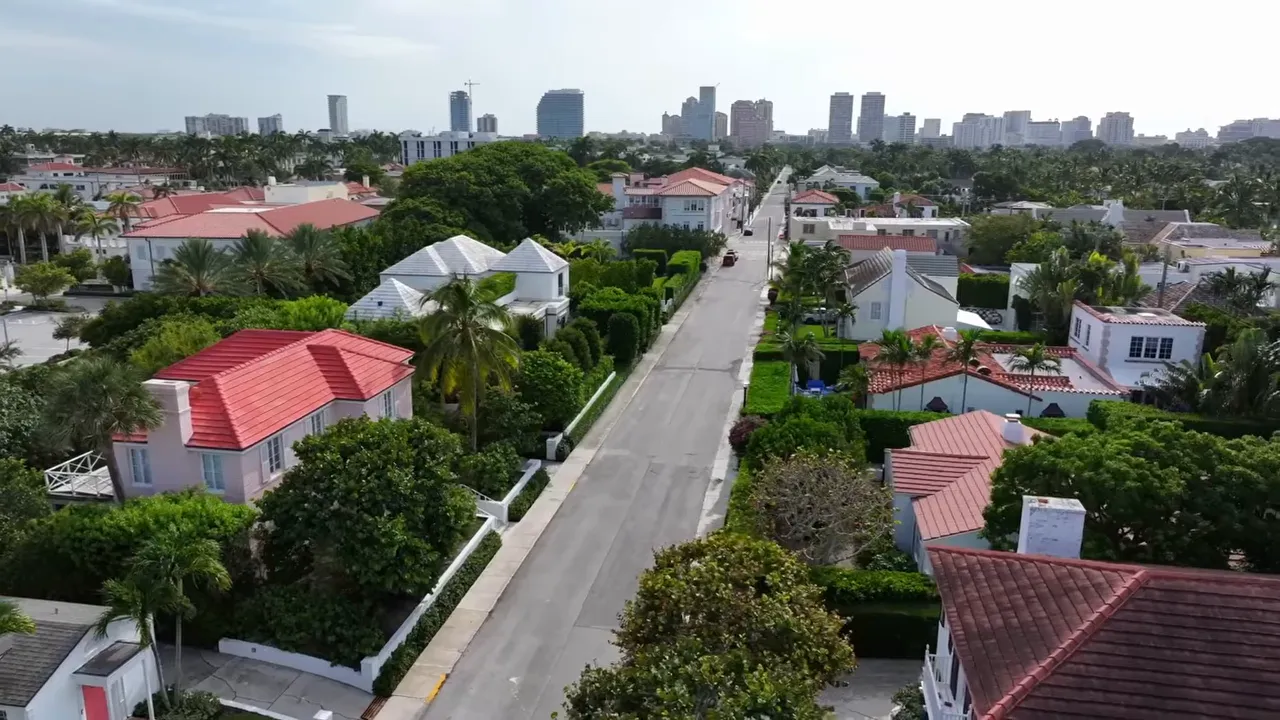
The historic Northwood corridor includes Old Northwood and Northwood Hills. It is one of the strongest choices for living in West Palm Beach if you love architectural personality, private lots, and the flexibility that comes without typical HOA rules.
These neighborhoods contain a significant concentration of intact 1920s Mediterranean Revival and frame vernacular homes. The character is a big part of the appeal. You are not just buying square footage. You are buying into a neighborhood with established streets, mature landscaping, and a sense of place that is difficult to recreate.
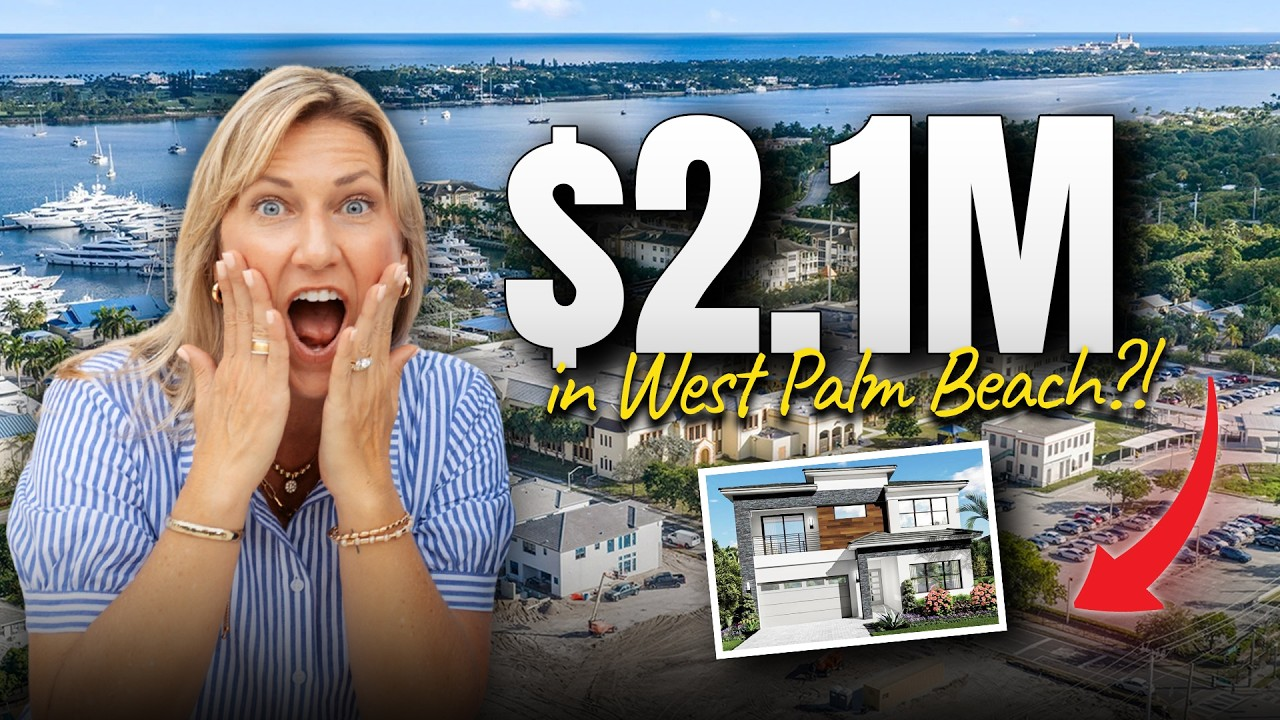
Prices vary widely based on condition, size, renovations, and location. A home needing substantial updates may begin around $500,000, while renovated homes can reach into the low millions. There is also a growing new-construction pocket called the Estates at NoMar, where older homes have been replaced with larger new residences. Pricing there starts at $2 million and up.
Closer to the water, Northwood Shores and North Flagler Drive move firmly into luxury territory. New towers including Olara offer private boat docks and a wellness partnership with Equinox. Alba Palm Beach is a boutique 22-story waterfront building with sweeping views. Residences in these buildings are generally priced above $1.5 million.
Downtown West Palm Beach And Nora
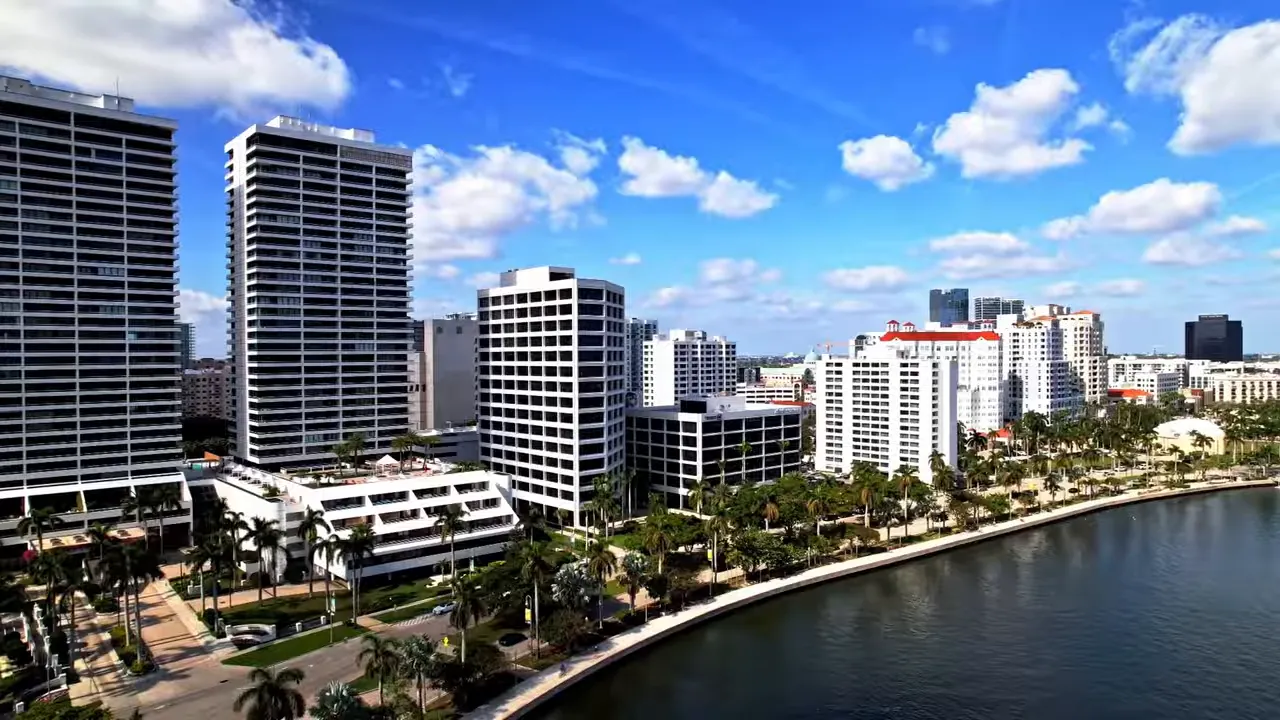
Downtown is the heartbeat of living in West Palm Beach for anyone who wants an urban lifestyle. This is where Clematis Street, CityPlace, the Brightline station, offices, restaurants, nightlife, and waterfront access come together. It is pedestrian-friendly by South Florida standards, and that walkability is a major reason buyers continue to focus here.
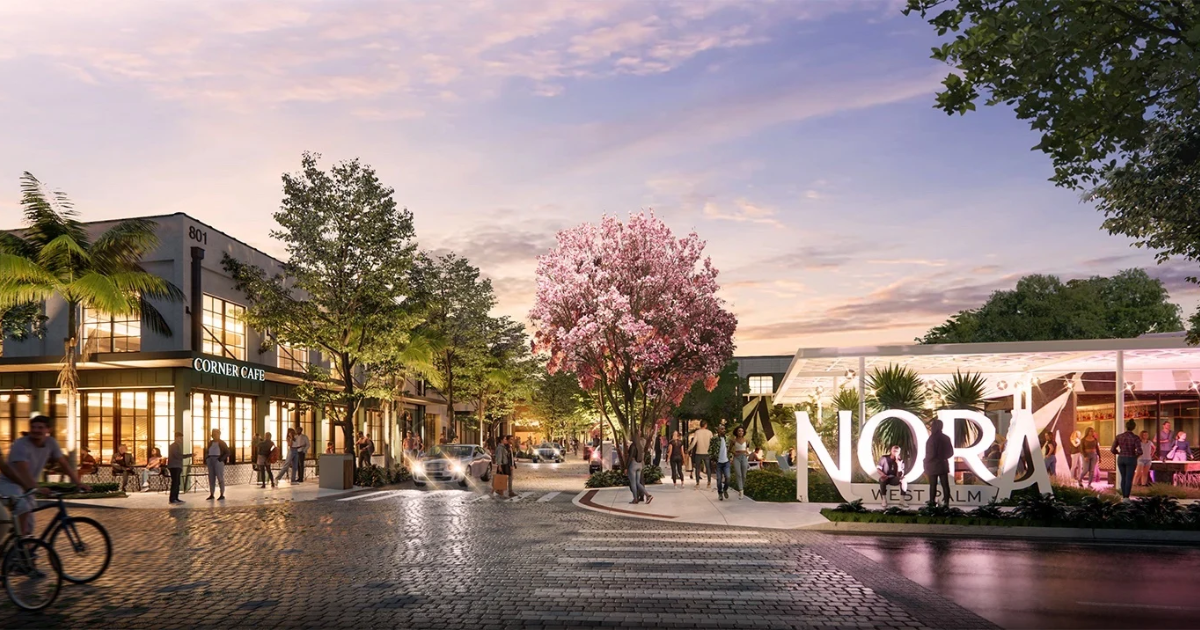
The Nora District, just north of downtown, is one of the most interesting transformations underway. What was once an industrial warehouse area is becoming a cobblestone commercial and residential neighborhood. The area is anchored by Nora House, a residential tower currently under construction, along with new restaurants and retail concepts.
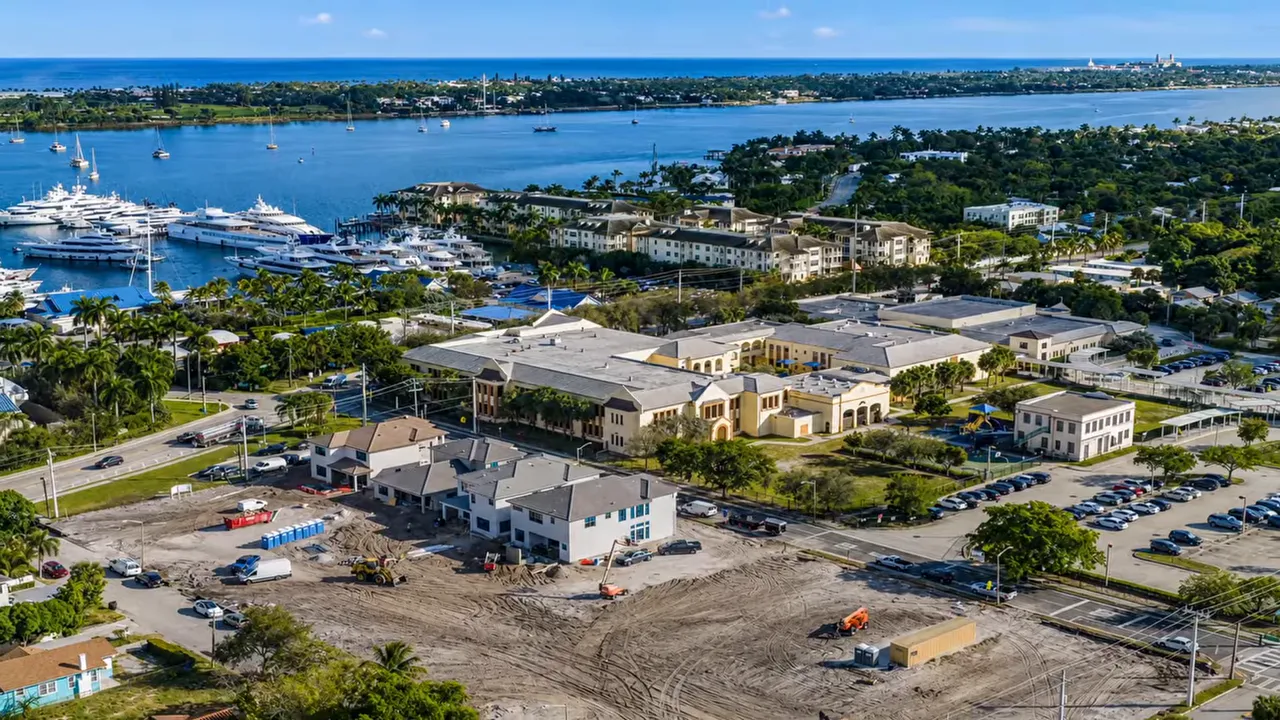
For buyers prioritizing proximity to Brightline, business activity, dining, and city energy, downtown is hard to beat. Condo pricing typically starts above $2 million, so this is not an entry-level market. The premium is tied to convenience, location, services, and access to the city’s evolving financial corridor.
|
West Palm Beach Lifestyle And Culture
South of downtown is the city’s most affluent stretch, the South End and Flagler Corridor. This is where living in West Palm Beach takes on a more historic, residential, and luxury-forward feel. The area includes El Cid and Flamingo Park, both known for their preserved architecture and proximity to the Intracoastal.
El Cid and Flamingo Park feature 1920s Spanish Mission and Mediterranean Revival homes. Flamingo Park typically offers single-family homes from roughly $1 million to $3 million. El Cid sits at the top of the local market, with homes starting above $4 million.
The corridor also includes some of the newest ultra-luxury construction. South Flagler House is a twin-tower project with residences priced well into the millions, while Forte on Flagler has already been delivered. These buildings appeal to buyers seeking water views, resort-style amenities, and lock-and-leave convenience.
Historic homes come with an important consideration. In El Cid and Old Northwood, exterior changes visible from the street, side streets, or alleys may require review by the Historic Preservation Board. That can make renovations more time-consuming and costly. It is also part of what protects the look, value, and long-term identity of these neighborhoods.
There is also a temporary development freeze on certain waterfront properties south of downtown while the city completes a zoning and traffic study. It is a short-term pause, but it may make properties already in the development pipeline feel even more exclusive.
Lifestyle And Culture In West Palm Beach
Living in West Palm Beach is no longer just about being near the water. The dining scene has expanded dramatically. In Nora, Sports & Rec offers a lively night-out setting, while Del Mar brings an upscale Mediterranean concept from Cameron Mitchell Restaurants. Downtown has Garden Butcher, an indoor-outdoor, health-focused restaurant.
The South End has developed its own culinary identity as well. Emelina is an intimate tasting-counter experience featuring Cuban-inspired cuisine from Michelin-trained chefs. The city now has layers of options, from casual daytime spots to polished dining rooms and special-occasion experiences.
Culturally, the Kravis Center brings Broadway tours and national symphonies into the city. The Norton Museum of Art anchors the visual arts scene. The Dreyfoos School of the Arts remains a major draw for families focused on arts education.
Vanderbilt University is also building a graduate campus downtown focused on business, data science, and AI. That investment is helping attract a new professional class and adds another layer to the corporate and financial migration already reshaping the urban core.
Pros And Cons Of Living In West Palm Beach
Affordability is a very different conversation than it was five years ago. Living in West Palm Beach east of I-95 is not the bargain it once was relative to the rest of the county. Buyers are paying for walkability, waterfront access, Brightline connectivity, and location within a rapidly growing financial corridor.
The Biggest Advantages
- Walkable downtown streets with real day-to-night energy.
- Direct Brightline access to Miami, Fort Lauderdale, and Orlando.
- A dining and arts scene that continues to expand.
- Historic architecture in Northwood, El Cid, and Flamingo Park.
- Highly regarded schools including Dreyfoos.
- Strong price appreciation across many micro-markets east of I-95.
- Luxury towers with water views and resort-style amenities.
The Tradeoffs To Consider
- Pricing has climbed quickly, especially downtown and along the waterfront.
- Historic-district inventory can be tight, and renovation rules can be restrictive.
- Downtown traffic and density are real considerations.
- New construction comes at a substantial premium, whether it is a house or high-rise residence.
Living in West Palm Beach is a great fit for people who want culture, dining, nightlife, historic architecture, and an active urban setting. It also works well for professionals relocating for work who want to be close to the downtown corporate corridor.
If your dream is a quiet, low-density, boat-behind-the-house lifestyle, you may be happier farther north in Jupiter, North Palm Beach, or Tequesta. If budget is the number-one priority, the historic downtown corridor is also not likely to be the best place to start right now.
But for the right buyer, living in West Palm Beach offers something increasingly rare in South Florida: history, water, walkability, culture, and new energy all in one place.
FAQs About Living In West Palm Beach Vs Palm Beach
Is West Palm Beach the same as Palm Beach Island?
No. Palm Beach Island is east of the Intracoastal Waterway and developed as an exclusive resort destination. West Palm Beach is the city directly west of the water, with its own downtown, historic neighborhoods, businesses, restaurants, and residential options.
What part of West Palm Beach is most popular for relocation buyers?
Most relocation and second-home interest centers on the coastal area east of I-95, including Northwood, North Flagler, downtown, Nora, the South End, El Cid, and Flamingo Park.
Are historic homes in West Palm Beach difficult to renovate?
Homes in historic districts such as El Cid and Old Northwood can require Historic Preservation Board review for exterior changes visible from public streets, side streets, or alleys. The process can add time and cost, but those rules also help preserve neighborhood character.
Is living in West Palm Beach expensive?
East of I-95, prices have risen significantly. Buyers are paying a premium for walkability, waterfront access, Brightline convenience, historic architecture, downtown amenities, and proximity to the city’s growing business corridor.
Thinking about living in West Palm Beach or finding the right neighborhood for your next home? Call/text me anytime at 561-944-2811 or schedule a FREE consultation here to get personalized guidance on West Palm Beach homes, neighborhoods, and the local market.