Moving to Palm Beach County sounds like the dream for a lot of people. Turquoise water, upscale neighborhoods, golf, boating, great restaurants, and sunshine almost all year. But if we are being honest, paradise comes with a few tradeoffs, and some of them catch people completely off guard.
If you are seriously considering moving to Palm Beach County, it helps to know what daily life is really like before you commit. The area is beautiful, but it is not automatically the right fit for everyone. Some people settle in quickly. Others find out the hard way that the lifestyle, climate, and costs are very different from what they expected.
Here are six of the biggest reasons people struggle here, and what to think through before moving to Palm Beach County.
Table of Contents
- 1. Hurricanes and tropical weather are a real part of life
- 2. The cost of living is higher than many people expect
- 3. Insurance can become a serious homeowner headache
- 4. Crowds and seasonal traffic can wear people down
- 5. Wildlife and bugs are not optional here
- 6. Lifestyle expectations can be a culture shock
- Final thoughts
- FAQ: Moving to Palm Beach County
1. Hurricanes and tropical weather are a real part of life
The first reality of moving to Palm Beach County is weather. Yes, we get incredible sunshine. But we also get hurricane season, and that is not something to treat casually.
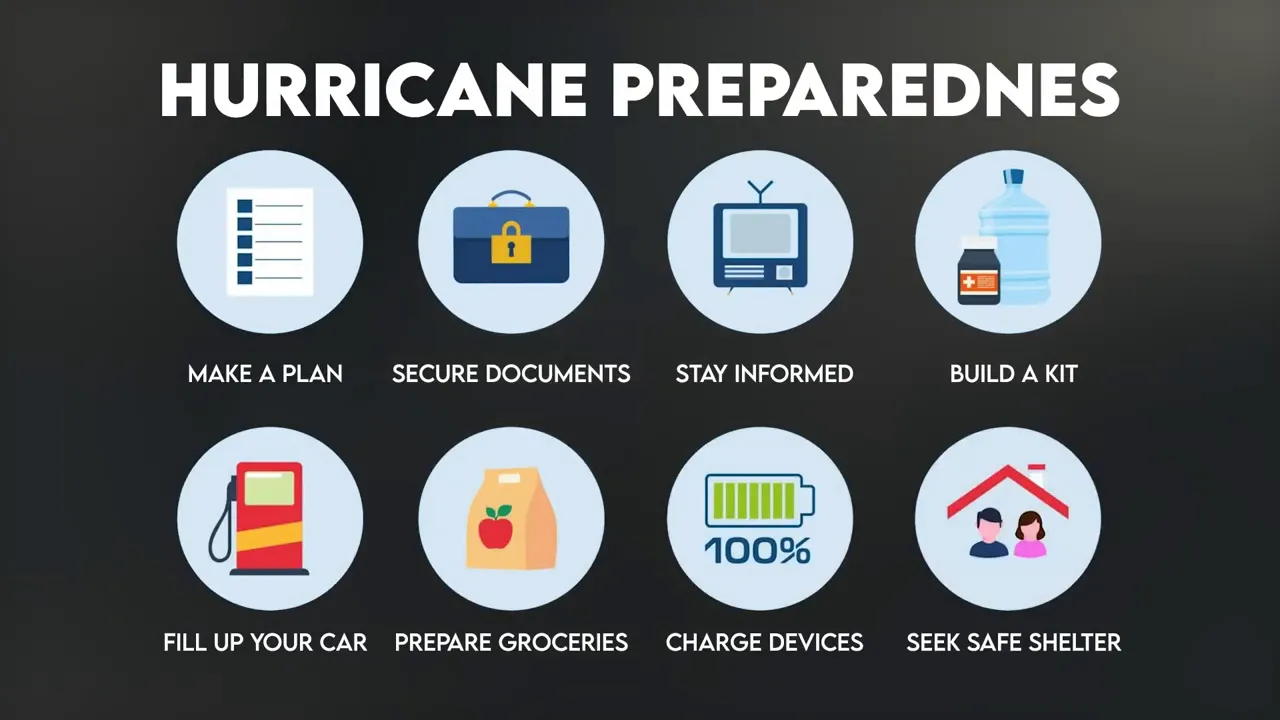
Hurricane season runs from June 1 through November 30. Most of the activity tends to show up later in the season, around September through early November, but the full window matters. Living here means having a plan before a storm is on the radar.
That can include:
- Protecting windows and doors if you do not have impact glass
- Keeping supplies on hand well before stores get wiped out
- Knowing evacuation routes and whether your area is vulnerable
- Staying on top of alerts and forecasts
And even when there is no named storm, South Florida weather can still be intense. Sudden summer downpours and fast moving afternoon storms are part of the routine. A beach day can turn into a sprint to the car in minutes. A quiet round of golf can end with everyone hustling to find cover.
Palm Beach County has a humid subtropical climate, which sounds technical but feels pretty simple in real life. It is hot, humid, bright, and long on summer. That affects how we dress, how we schedule outdoor time, and even how homes are built and maintained.
For anyone moving to Palm Beach County from a cooler or drier climate, the adjustment can be bigger than expected. Pro tip from experience: keep an umbrella with you. Always.
2. The cost of living is higher than many people expect
This one hits fast. Moving to Palm Beach County usually means adjusting to a more expensive housing market than the national average.
At the time of this discussion, the national median home price sits a little over $400,000, while Palm Beach County is closer to the $500,000 range. And in the most desirable communities, it goes much higher.
That price gap surprises a lot of buyers, especially those relocating from areas where their budget stretches further. It is not just the purchase price either. The full monthly cost can rise quickly once everything gets layered in.
Some common budget surprises include:
- HOA or condo fees in planned communities and condo buildings
- Maintenance costs tied to coastal wear and tear
- Property taxes that can be significant in popular neighborhoods
- Waterfront premiums that make location a major price driver
Water access, water views, and anything close to the coast almost always comes with a premium. There is only so much waterfront to go around, and buyers pay for that scarcity.
So if you are moving to Palm Beach County, build your budget around the total cost of ownership, not just the list price.
3. Insurance can become a serious homeowner headache
If housing prices are one surprise, insurance is often the bigger one.
Homeowners insurance in Florida can be unpredictable. Premiums may jump from one year to the next, and homes near the water may also require flood insurance on top of a standard policy. That means your monthly housing expense can shift more than expected, even after you have already closed.
There are also practical issues that matter during a purchase. Roof age can affect insurability, which sometimes forces buyers to replace a roof earlier than planned just to secure coverage. In condos and HOA communities, rising master policy costs can push association fees higher too.
One thing that really catches new owners off guard is the escrow adjustment after the first year. If insurance costs come in above projections, your monthly payment can rise, and it feels like the house suddenly got more expensive overnight.
For anyone moving to Palm Beach County from a place with more stable insurance pricing, this part of homeownership can feel very different. It deserves real attention before you buy.
4. Crowds and seasonal traffic can wear people down
Another big issue with moving to Palm Beach County is that you are not just moving to a residential area. You are moving to a highly desirable destination.
During the winter season, Palm Beach County draws massive numbers of visitors. Seasonal residents arrive in late fall and stay into early spring. Add in tourism, international travel, and snowbirds, and everyday errands can feel a lot less easy.
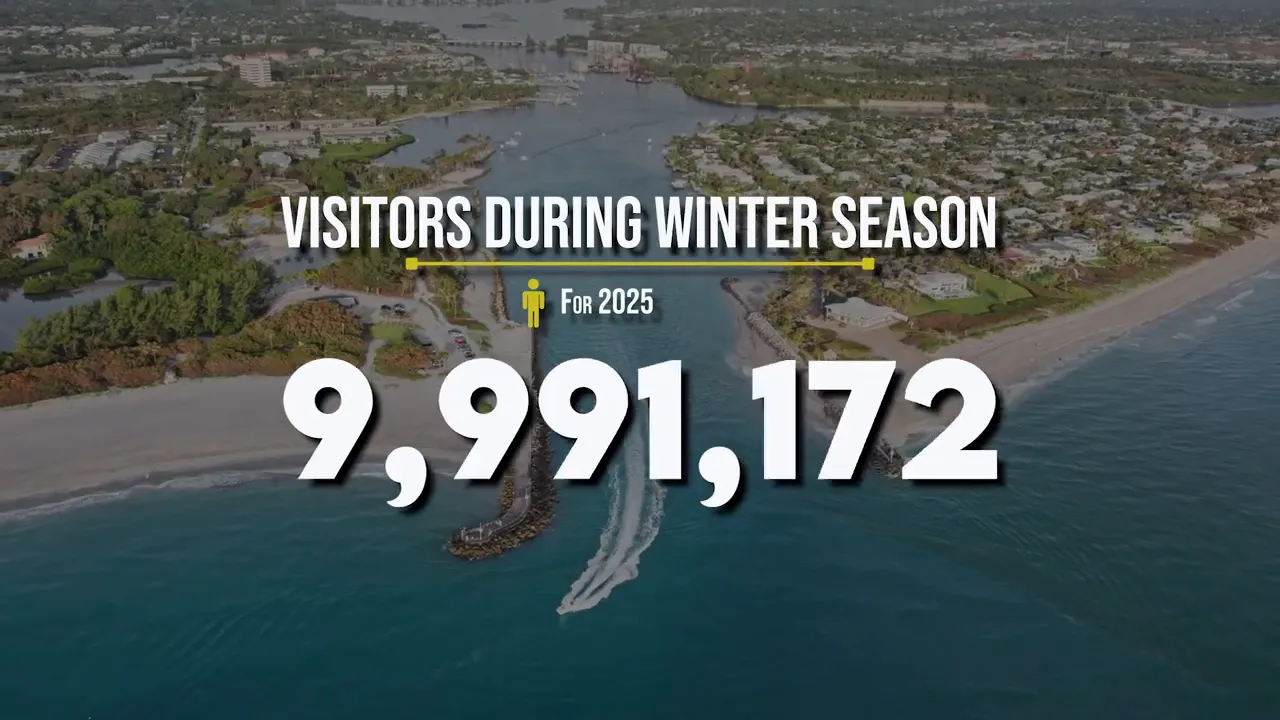
That shows up in ways that sound small until you live with them regularly:
- Heavier traffic on major roads
- Longer restaurant waits
- Busier beaches and public spaces
- More crowded grocery stores and shopping areas
Tourism is great for the local economy, but if you are looking for constant peace and quiet, moving to Palm Beach County takes some strategy. The neighborhood you choose matters a lot. Some areas stay more low key than others, and that difference can shape your whole experience.
5. Wildlife and bugs are not optional here
This one gets underestimated all the time.
Moving to Palm Beach County means moving into a tropical environment, and that comes with wildlife. Not in a vague, nature documentary way. In a very real, daily life kind of way.
You are likely to see:
- Lizards everywhere
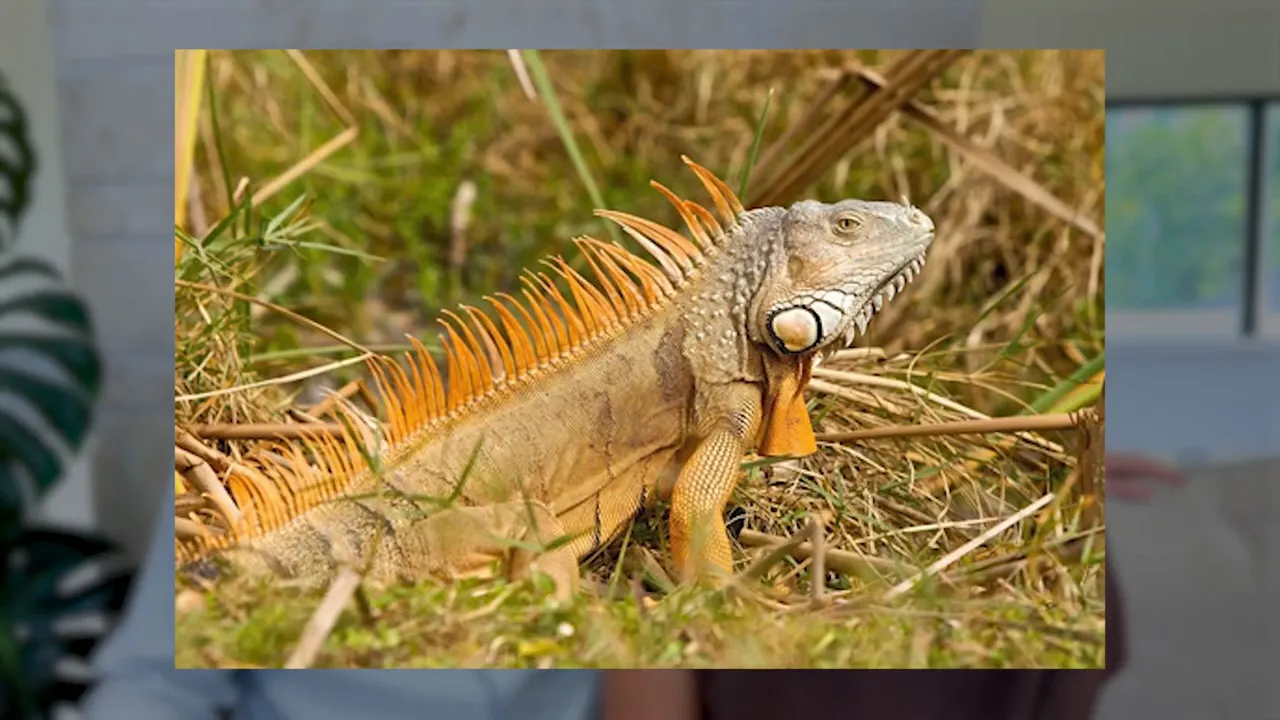
- Iguanas in some waterfront neighborhoods
- Palmetto bugs that sometimes make it indoors
- Mosquitoes and no see ums that can ruin an evening outside
If you are coming from a colder climate, this can be a real adjustment. Even the oddball local moments are real. During a winter cold snap, temperatures can drop enough that iguanas become immobile and fall from trees. It sounds ridiculous until it happens near you.
And if you have pets, there is another concern. Bufo toads, which are invasive and mostly active at night, can be dangerous to dogs because of the toxin they secrete. That is the kind of local knowledge longtime residents take for granted, but newcomers often do not hear about until later.
None of this means the area is unlivable. It just means moving to Palm Beach County requires a realistic expectation of subtropical life.
6. Lifestyle expectations can be a culture shock
This is the one that surprises people the most.
Palm Beach County looks glamorous in photos, and it is beautiful in real life too. But the deeper adjustment is cultural. This is generally not a live to work environment. It is much more of a work to live environment.
For some people, that is exactly the appeal. For others, especially those arriving from more fast paced markets, it can feel frustrating. If you are used to constant urgency, tight schedules, and a highly productivity driven atmosphere, the local rhythm can feel slower than expected.
This often shows up most clearly in the service world. Contractors are in high demand across South Florida, so scheduling can be flexible, timelines can move, and projects can take longer than buyers expect.
If you have ever heard the phrase island time, that is the vibe people are talking about. It is not that nobody works. It is that leisure, recreation, hospitality, and quality of life shape the culture in a way that can feel very different from the Northeast or other higher speed regions.
So when moving to Palm Beach County, ask yourself an honest question: do we thrive in a laid back environment, or do we get restless when things move slower? That answer matters more than most people think.
Final thoughts
None of these six points are deal breakers for everyone. In fact, many people absolutely love living here and would never leave. But moving to Palm Beach County goes best when expectations match reality.
If we know ahead of time that we are signing up for storm prep, higher ownership costs, insurance volatility, seasonal crowds, tropical wildlife, and a slower lifestyle rhythm, then we can make a much smarter move.
Palm Beach County can be incredible. It just helps to make sure the version of paradise we want is the one we are actually moving into.
If you’re ready to talk through neighborhoods, budgeting, and what to expect before you commit, our team at Eb Stone Realty is here to help. Call us today at (561) 944 - 2811 and we’ll point you in the right direction.
Whether you’re moving soon or just exploring options, a quick conversation can save you time and help you find the best fit for how you want to live in Palm Beach County.
FAQ: Moving to Palm Beach County
Is moving to Palm Beach County a good idea for retirees?
For many retirees, yes. The climate, recreation, beaches, and lifestyle can be a great fit. The biggest things to weigh are housing costs, insurance expenses, and whether seasonal crowds will bother you.
What is the biggest surprise when moving to Palm Beach County?
A lot of people expect the weather and beaches. What surprises them most is often the combination of high ownership costs and the slower local lifestyle culture.
Is Palm Beach County more expensive than the national average?
Yes. Home prices are generally higher than the national median, and costs can climb further with HOA fees, insurance, taxes, and maintenance.
Do hurricanes make living in Palm Beach County difficult?
They can if you are unprepared. Most long term residents adjust by planning ahead, stocking supplies early, and understanding storm season as part of living in South Florida.
Are bugs and wildlife really that common?
Yes. Lizards, iguanas, mosquitoes, palmetto bugs, and invasive toads are all part of subtropical living. Some neighborhoods see more of this than others, but it is a normal part of the environment.