When people search for homes to avoid in Palm Beach Florida, they are usually trying to avoid overpaying. But honestly, price is not where the biggest regrets usually come from.
The real trouble starts when a home looks great in photos, feels fine during a quick showing, and then turns out to have issues that affect daily life, insurance, maintenance, resale, or all of the above. In Palm Beach County and South Florida, the wrong property type can become expensive fast.
Some of these homes are not automatic nos. But every one of them deserves a much closer look before you close. If you are comparing homes to avoid in Palm Beach Florida, these are the six categories that deserve extra caution.
Table of Contents
- Biggest Mistakes Florida Home Buyers Make
- Homes Near Marshes & Poor Drainage
- Homes Near Airports, Roads & Train Tracks
- No Hurricane Protection
- Roofs Over 20 Years Old
- HOA & Condo Financial Problems
- Cast Iron & Polybutylene Pipes
- Final Advice Before Buying in Florida
- FAQ
Biggest Mistakes Florida Home Buyers Make
A lot of buyers focus almost entirely on square footage, finishes, school zones, or whether the house feels like a good deal. Those things matter, of course. But in South Florida, how a property functions in the real world matters just as much.
That means looking beyond the kitchen and the pool and asking tougher questions:
- What happens after a week of heavy rain?
- How loud is this area at 6:30 in the morning or late at night?
- Will this roof create insurance issues?
- Does the community have financial problems?
- Are there hidden plumbing risks?
If you want to identify homes to avoid in Palm Beach Florida, you have to think past the showing and into the actual ownership experience.
Homes Near Marshes & Poor Drainage
This is one of the most misunderstood property issues in South Florida, especially for people relocating from out of state.
A preserve lot can sound amazing. Water nearby can seem peaceful. Extra greenery can feel private and lush. But with Florida real estate, the visual appeal is only part of the story. What really matters is how that land handles water.
If a lot holds water, drains slowly, or sits lower than surrounding homes, moisture tends to linger. And once moisture hangs around, so do the problems.
The first issue is bugs. Mosquitoes love standing water. No-see-ums thrive in damp, humid environments. And these are not little once-in-a-while irritations. In the wrong location, they can become part of your everyday routine.
That means your patio, lanai, or pool area may not be nearly as enjoyable as you imagined. Even screened outdoor spaces can still become uncomfortable during parts of the year.
There is also the odor factor. In low-lying areas or near marshy ground, especially after rain or during hotter months, that stale swampy smell can show up. It is the kind of thing many buyers never think to check during a short home tour.
Then there is drainage and flood risk. In South Florida, you do not need a hurricane or coastal storm surge to have water problems. A strong rain event combined with poor drainage can be enough to create standing water and real property issues.
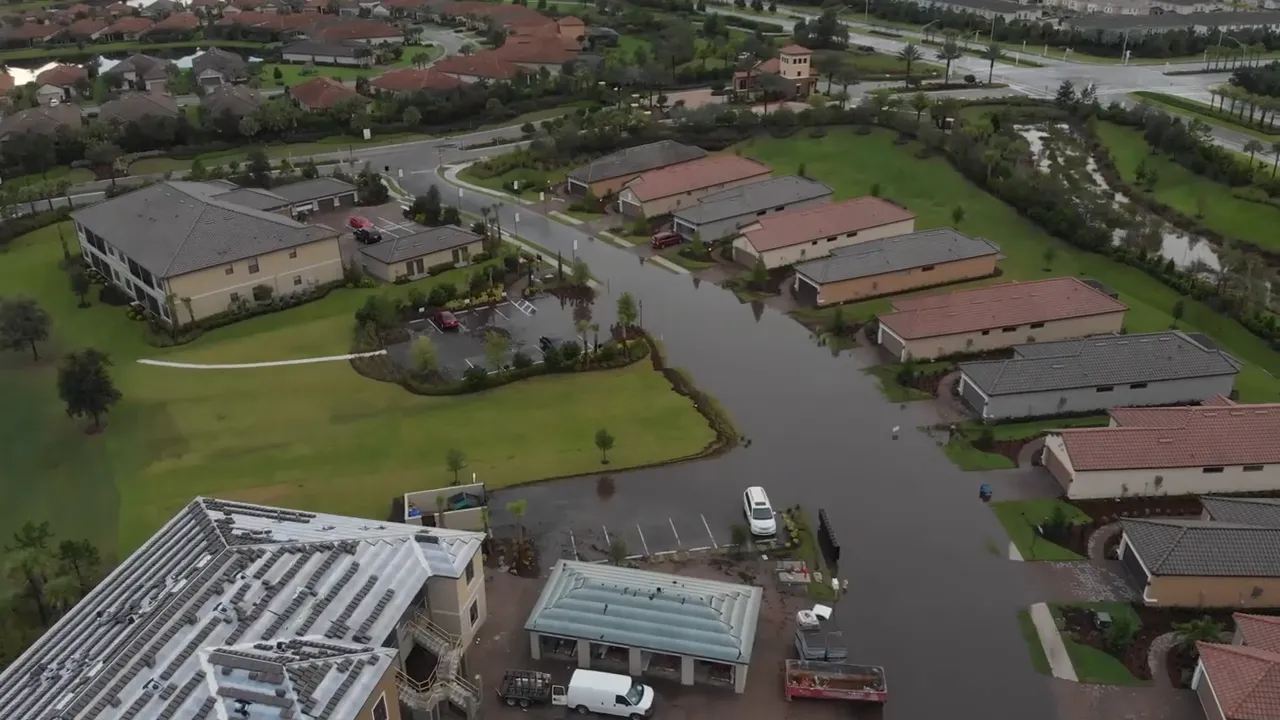
Pay attention to warning signs like these:
- A yard that feels damp underfoot
- Visible signs that water tends to collect or sit
- Flat grading or a lot that appears lower than nearby properties
- Marsh-adjacent land with little evidence of fast drainage
Among the top homes to avoid in Palm Beach Florida, this category is easy to underestimate because it can look beautiful at first glance. But livability and long-term risk matter more than the pretty backdrop.
Homes Near Airports, Roads & Train Tracks
This one catches buyers all the time because noise is timing-dependent.
You may tour a home in the middle of the afternoon and think the area feels perfectly calm. Then after closing, you realize planes pass overhead all day, traffic hums nonstop, or train horns blow at the crossing before sunrise.
If a property is under a flight path, especially near Palm Beach International Airport, aircraft noise can be frequent and repetitive. Not once in a while. Not just on weekends. Consistent.
If the house backs to a major road, the issue is often not one dramatic burst of noise. It is the constant background sound of traffic that never fully shuts off.
And near train tracks, it is not just the train itself. It is also the crossing horns, often multiple times a day, and sometimes at hours when you really do not want to hear them.
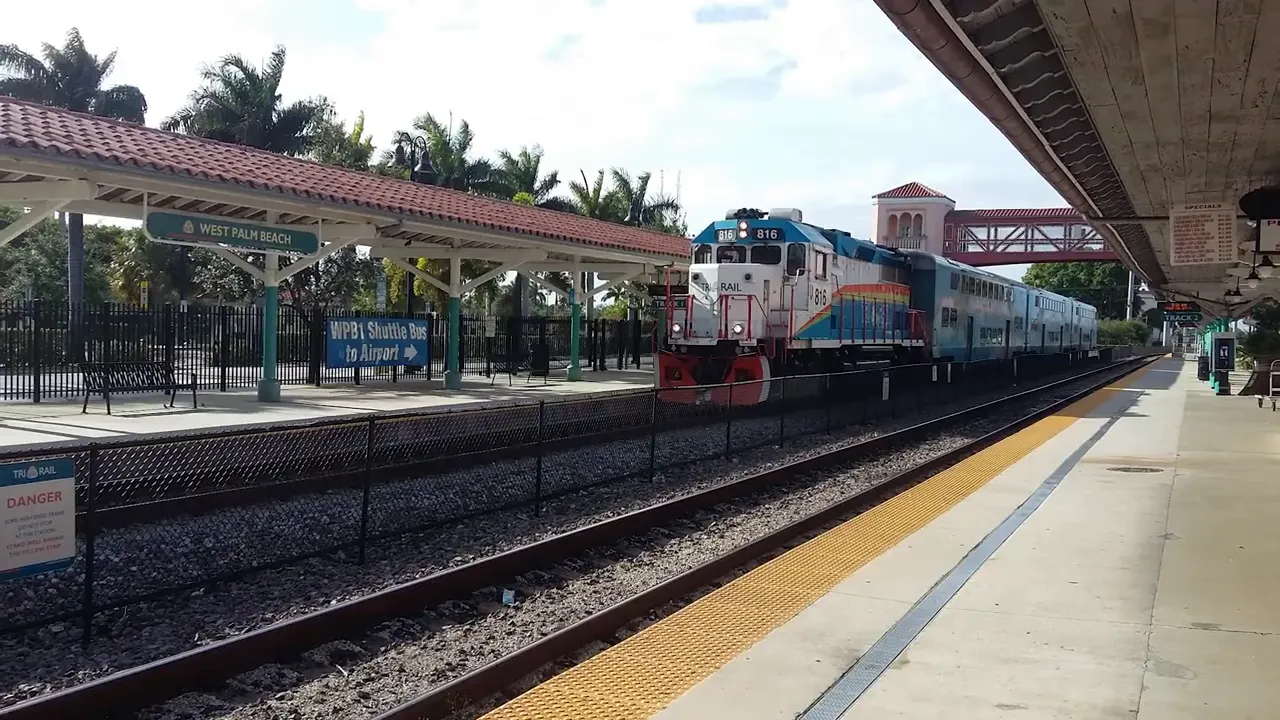
Here is why this matters beyond comfort: noise affects resale.
Even if you think you can live with it, many future buyers will walk away the moment they hear repeated noise. That means a smaller buyer pool when it is time to sell, and a smaller buyer pool often means less pricing power.
When evaluating homes to avoid in Palm Beach Florida, this is one of the easiest issues to miss unless you visit the area more than once and at different times of day.
No Hurricane Protection
Homes without full hurricane protection can create both financial stress and real urgency when storm season becomes serious.
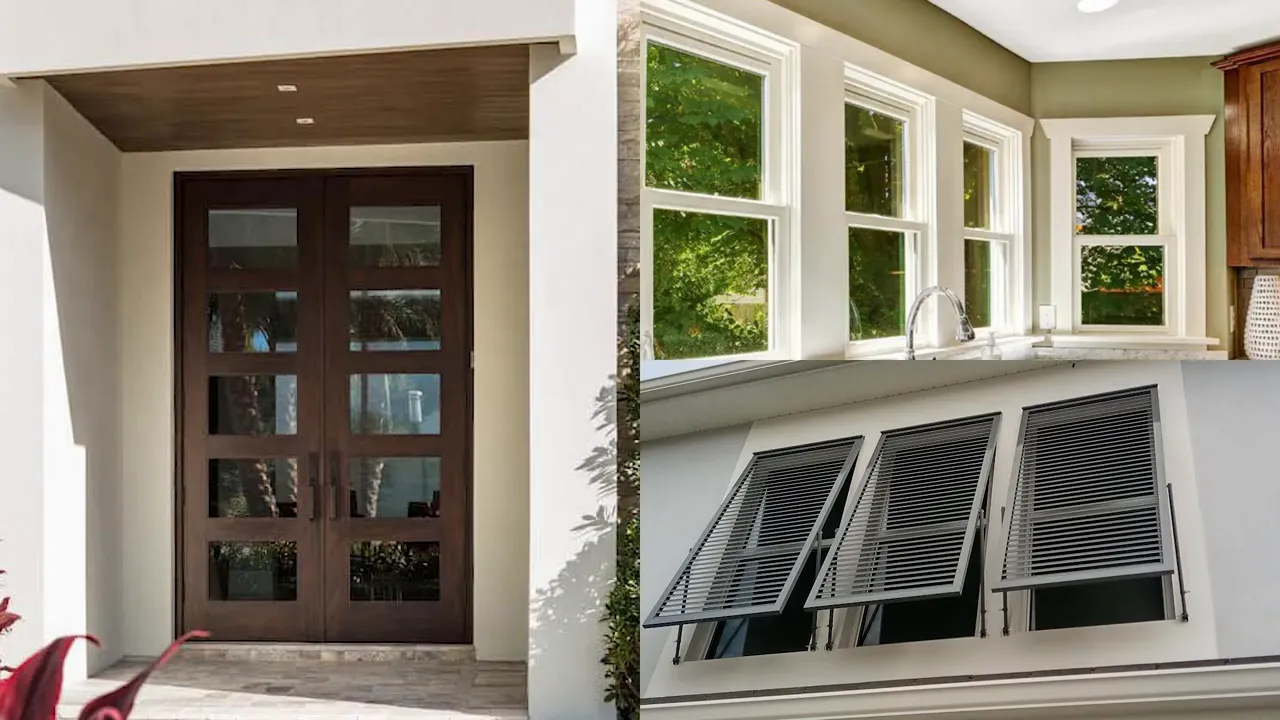
What counts as full protection? Typically you are looking for features like:
- Impact-rated windows
- Impact-rated doors
- Or complete code-compliant shutters covering all openings
The first reason this matters is insurance. Florida insurance carriers pay close attention to wind mitigation. Homes with strong hurricane protection usually have an advantage when it comes to premiums and carrier options. Homes without it may face higher costs, more scrutiny, and fewer insurers willing to write the policy.
The second reason is timing. When a storm is approaching, everyone is trying to solve the same problem at once. Shutters disappear, installers get booked up, and materials become harder to find. That is not the moment you want to discover your home is underprepared.
The third issue is retrofit cost. Replacing windows and doors with impact products is not a small project. Buyers sometimes assume they will handle it later, but later usually means more money, more hassle, and potentially more urgency than expected.
So yes, this category belongs on any serious list of homes to avoid in Palm Beach Florida, unless the numbers and the plan truly make sense going in.
Roofs Over 20 Years Old
This is one of the biggest issues in Florida real estate right now, and it is only becoming more important.
A roof can look fine from the ground. It may not be actively leaking. It may even appear serviceable during a casual review. But insurance companies are often far less relaxed about roof age than buyers are.
Once a roof gets into the 20-year range or older, underwriting often tightens up. That can mean:
- Higher insurance premiums
- Stricter insurance requirements
- Difficulty getting coverage at all
And if you are financing the home, insurance issues do not stay isolated. If coverage becomes a problem, the loan can become a problem too.
That is why older roofs are killing more deals than many buyers expect. In today’s market, a roof near that threshold is not just a future maintenance item. It can become a transaction issue immediately.
When a roof is approaching or past that age mark, it often makes sense to factor it into negotiations. That may mean pushing for a replacement, negotiating price, or deciding the property is simply not worth the complication.
If you are making a list of homes to avoid in Palm Beach Florida, homes with aging roofs should absolutely be on it.
HOA & Condo Financial Problems
This one gets overlooked all the time, and it should not.
When you buy in an HOA or condo community, you are not only buying the unit or house itself. You are also buying into the financial condition of the association.
If a meaningful number of owners are behind on dues or special assessments, pressure builds across the whole community. That pressure usually shows up in very predictable ways:
- Maintenance gets deferred
- Projects get delayed
- Budgets get squeezed
- Special assessments become more likely
And special assessments can be substantial. They are not just annoying line items. They can become major cash obligations.
There is another major consequence too: financing. If the association does not meet lending standards because of delinquencies or weak finances, future buyers may have trouble getting loans in that community.
That shrinks your resale audience, and when the buyer pool shrinks, values can suffer.
This is one of the more important categories of homes to avoid in Palm Beach Florida because the risk is not always obvious during a showing. The building can look clean. The grounds can look decent. But the numbers behind the scenes may tell a completely different story.
Cast Iron & Polybutylene Pipes
This is the hidden risk category, and it can get expensive quickly.
Let’s start with cast iron. Many older South Florida homes were built with cast iron drain lines. Over time, those pipes can corrode. And corrosion can trigger a chain of problems that gets ugly fast.
- Leaks
- Backups
- Deterioration
- Issues under the slab that are difficult and expensive to reach
Insurance can also become complicated here. When damage is tied to wear, corrosion, or long-term deterioration, coverage questions can get murky. That gray area is not where you want to be after a plumbing failure.
Then there is polybutylene. This material has a long history of failure. It is associated with cracking, leaking, and water damage. So even if it is performing fine today, you are still buying into a system with a known reputation for problems.
That is why both buyers and insurers pay attention when these systems are present. A property can look like a bargain on paper, but hidden plumbing risks can erase that value in a hurry.
Among all the homes to avoid in Palm Beach Florida, this category may be the easiest to miss because you usually cannot spot it from pretty listing photos.
View Homes for Sale in Palm Beach County
Final Advice Before Buying in Florida
Here is the bottom line. None of these issues automatically means you should never buy the home.
But every one of them means you need to understand exactly what you are taking on. In South Florida, the wrong property choice can affect:
- Your comfort
- Your insurance costs
- Your long-term maintenance expenses
- Your stress level
- Your future resale options
That is really the key when evaluating homes to avoid in Palm Beach Florida. The goal is not to panic. The goal is to go in with eyes wide open.
A home near a marsh may still work if the drainage is well understood and the lifestyle tradeoff makes sense. A home with an older roof may still be worth buying if the seller addresses it or the pricing reflects the risk. A condo in an HOA may still be a great fit if the association is financially healthy.
But if these issues are ignored, they have a way of showing up later as surprise costs, daily frustration, or resale headaches.
And that is exactly what smart buyers try to avoid.
Ready to avoid costly mistakes and get clarity on which Palm Beach properties are worth a closer look? Call or text (561) 944-2811 to talk with Chris & Melissa Dyer at Eb Stone Realty.
FAQ
What are the main homes to avoid in Palm Beach Florida?
The biggest red-flag categories are homes near marshes or poor drainage areas, homes in flight paths or near major roads and train tracks, homes without full hurricane protection, homes with roofs over 20 years old, properties in financially weak HOA or condo communities, and homes with cast iron or polybutylene pipes.
Are homes near water always a bad idea in Palm Beach County?
No. The issue is not simply being near water. The issue is whether the land holds water, drains slowly, or creates long-term moisture, bug, odor, or flooding concerns. A beautiful lot can still be problematic if the drainage is poor.
Why do older roofs matter so much in Florida?
Once a roof reaches about 20 years old, insurance companies often become stricter. That can lead to higher premiums, reduced carrier options, or trouble getting coverage. If the home is financed, insurance issues can put the loan at risk too.
How does noise affect resale value?
Consistent noise from planes, traffic, or trains can turn off a lot of buyers immediately. Even if one owner is fine with it, future buyers may not be. That can reduce demand for the home and weaken resale value.
Are homes without impact windows always a deal breaker?
Not always, but they deserve careful review. Homes without full hurricane protection can mean higher insurance costs, fewer coverage options, and costly retrofit projects later. The key is understanding the financial impact before closing.
Why are HOA delinquency rates important?
High delinquency rates can strain an association’s budget, delay maintenance, increase the chance of special assessments, and make financing harder for future buyers. That can directly affect your ownership costs and resale potential.
Should cast iron or polybutylene pipes automatically stop a purchase?
No, but they should trigger a serious conversation and deeper due diligence. These systems are known for expensive failure patterns, and the cost to repair or replace them can be significant.
If you are researching homes to avoid in Palm Beach Florida, the smartest move is not just finding the prettiest house. It is finding the property that still makes sense after you account for risk, insurance, maintenance, and resale.