If you are considering living in Palm Beach County FL, property taxes need to be part of the conversation before you make an offer. They can be confusing because two similar homes on the same street may carry very different tax bills. A home’s sale price, ownership history, exemptions, city location, and even whether it is in a newer community can all affect the final number.
The good news is that Palm Beach County property taxes are not a mystery once you understand the moving pieces. The goal is simple: estimate the real cost of owning a home before closing, verify the information used to assess it, and make sure you are receiving every exemption available to you.
This is especially important for anyone relocating, buying a first home, purchasing a retirement property, or moving up within South Florida. The tax bill shown on a listing is historical information. It may have very little to do with what a new owner will pay.
Key Takeaways
- Tax bills depend on taxable value, exemptions, millage rates, municipal location, and possible CDD fees.
- A seller’s tax bill may not predict a buyer’s future bill after a purchase and reassessment.
- Homestead, portability, early-payment discounts, and eligible exemptions can meaningfully reduce tax costs.
- Review the first assessment carefully because it establishes an important foundation for future years.
Table of Contents
- Why Property Taxes Matter in Palm Beach County FL
- How Palm Beach County Property Taxes Are Calculated
- Palm Beach County Property Tax Example
- How to Lower Property Taxes in Palm Beach County FL
- 3 Property Tax Tips for Palm Beach County Home Buyers
- Planning for Property Taxes Before Closing
Why Property Taxes Matter in Palm Beach County FL
One of the most common questions from buyers is why taxes can feel high here. There are a few straightforward reasons.
Home Values Have Risen
First, home prices have increased substantially over the last several years. In very simple terms, a more valuable home generally means a higher property tax bill. When planning for living in Palm Beach County FL, it is important to think beyond the purchase price and include taxes in the full monthly ownership budget.
Florida Has No State Income Tax
Florida does not impose a state income tax. Counties and municipalities therefore rely heavily on property taxes to help fund essential public services such as schools, police, fire rescue, and infrastructure. That structure is part of what makes Florida attractive to many residents, but it also means Palm Beach County property taxes play a major role in local budgets.
New Construction May Include CDD Fees
If you are considering new construction, pay close attention to Community Development District fees, commonly called CDD fees. These can be added on top of the regular tax bill in some newer communities. Builders generally disclose them, but they can add a substantial amount to annual housing costs and may stay with the property for 20 to 30 years.
That does not mean a new construction community is a bad choice. It simply means the tax estimate needs to include every component. A beautiful new home with a lower HOA fee can still carry a higher annual tax obligation if a CDD fee is involved.
How Palm Beach County Property Taxes Are Calculated
When it comes to living in Palm Beach County FL, taxes are based on the property’s assessed value, which is determined by the Palm Beach County Property Appraiser as of January 1 of the year.
There are four terms worth knowing. Once these are clear, the calculation becomes much easier to follow.
- Market value or just value: The estimated value of the property in the marketplace.
- Assessed value: The market value after applicable assessment limitations are considered.
- Taxable value: The assessed value after exemptions are subtracted.
- Millage rate: The tax rate applied to the taxable value.
Market Value and CAMA
Market value, also called just value, is the property’s estimated market value. It is not simply picked by one person. Property appraisers use a Computer Assisted Mass Appraisal system, or CAMA, which applies data and algorithms to analyze homes and communities.
This is why the tax assessment does not always line up exactly with a recent sale price. The assessment is part of a broader valuation system, not just a single transaction.
Assessed Value and Assessment Limits
Your assessed value begins with market value and accounts for assessment limitations. For an owner who has homesteaded a primary residence, the annual assessed-value growth is generally capped at 3%. For a non-homesteaded property, the limitation can be 10% per year.
That helps explain why a longtime owner might pay far less than a buyer who just purchased a very similar home. The existing owner may have built up years of protection under the homestead cap. Their tax bill is not a reliable forecast for a new buyer.
Taxable Value and Exemptions
Taxable value is the figure the tax collector uses to calculate Palm Beach County property taxes. It is the assessed value minus any exemptions. The most widely used exemption is the homestead exemption for a primary residence.
For anyone planning on living in Palm Beach County FL as a primary resident, the homestead exemption can reduce the taxable value by up to $50,000, subject to the applicable rules. That initial savings matters, but the long-term assessment cap can be just as valuable.
What a Millage Rate Means
Millage rates are the final part of the equation. One mill equals $1 of tax for every $1,000 of taxable value. So if a taxable value is $650,000, divide it by 1,000 to get 650. Then multiply 650 by the millage rate for that property’s location.
Millage rates can vary because Palm Beach County includes numerous municipalities, each with its own local tax structure. Location matters. A home in an incorporated city can have a different tax rate than a home in unincorporated Palm Beach County.
Palm Beach County Property Tax Example
Here is a clean example that shows how the numbers can work. Assume a home has an assessed value of $700,000 and will be homesteaded as the buyer’s primary residence.
- Assessed value: $700,000.
- Homestead exemption: $50,000.
- Taxable value: $650,000.
- Taxable value divided by 1,000: 650.
Using the unincorporated Palm Beach County millage rate of 22.34 from this example, the calculation would be:
650 × 22.34 = $14,521
That produces an estimated annual bill of $14,521. Remember, tax rates, assessed values, exemptions, and special charges can change. The example is useful because it shows the method, not because every $700,000 home will have the same bill.
For buyers interested in living in Palm Beach County FL, this is why relying on the seller’s current tax bill can create sticker shock. A property may have a low bill because the seller bought long ago, has homestead protection, or qualifies for exemptions that will not transfer to the new owner.
How to Lower Property Taxes in Palm Beach County FL
There are real opportunities to lower your bill or avoid overpaying. The two most immediate strategies are paying early and applying for every exemption for which you qualify.
Pay Early for a Discount
Property tax bills can be paid through March 31 of the following year, but paying earlier can earn a discount. The timing is worth putting on the calendar.
- Pay before November 30 for a 4% discount.
- Pay before January 1 for a 3% discount.
- Pay before January 31 for a 2% discount.
- Pay before February 28 for a 1% discount.
- Pay by March 31 at the full amount.
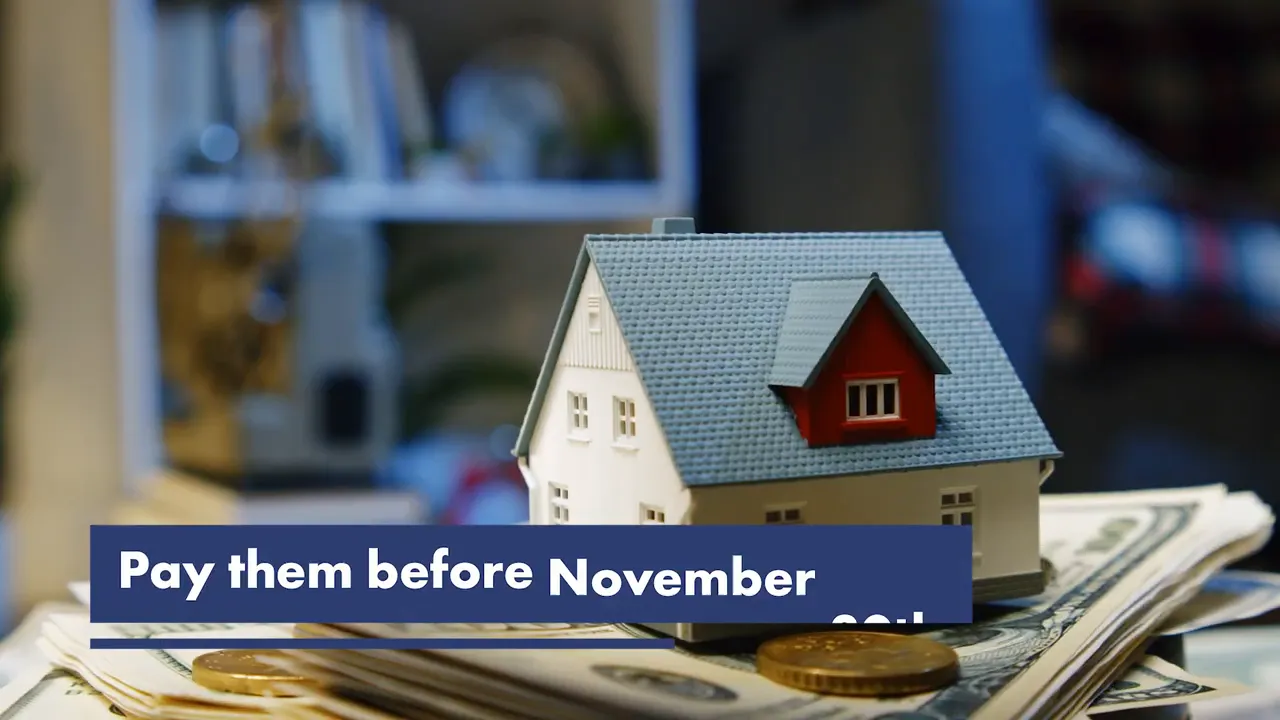
April 1 is when the bill becomes late. If the funds are available, early payment is a simple way to reduce the cost of Palm Beach County property taxes without changing anything about the property itself.
Apply for the Homestead Exemption
For primary residents, homestead is a big deal. It can reduce taxable value by up to $50,000 and provides the annual assessment limitation that helps control future increases.
For people living in Palm Beach County FL year-round, this should be one of the first post-closing items to handle. Values may rise, but the homestead protection limits how quickly assessed value can increase, helping create more predictability over time.
Check Every Available Exemption
Homestead is the most familiar exemption, but it is not the only one. Other exemptions may apply to widows or widowers, disabled veterans, active-duty military members, certain disabled individuals, qualifying first responders, veterans with combat-related injuries, and households with qualifying parents or grandparents living in the home.
The Property Appraiser’s website maintains the full list and application process. When planning on living in Palm Beach County FL, do not assume the standard homestead exemption is the only one available to your household.
3 Property Tax Tips for Palm Beach County Home Buyers
Ask for a Tax Projection Before You Buy
Before writing an offer, ask your real estate agent to run a tax estimate through the Property Appraiser’s website. Use the anticipated purchase price rather than the seller’s existing tax bill. This projection can be conservative, which is useful because it gives you a realistic or worst-case planning figure.
If you are serious about living in Palm Beach County FL, include that estimate in your monthly payment calculations alongside principal, interest, insurance, HOA fees, and any CDD charges.
Review and Challenge an Incorrect Assessment
Do not assume the assessment is automatically correct. Errors happen. The property record may list the wrong square footage, lot size, bedroom count, bathroom count, or improvements. Any of those errors can affect the assessed value.
Compare your assessment with similar properties in the community before exemptions are applied. Owners who bought at different times will have different tax bills, but market values for comparable homes should still make sense.
Palm Beach County also has an appeal process through an independent board. The first year is critical. If you successfully establish a lower assessment before homesteading, that lower starting point can influence tax costs for years because of the annual cap.
Explore Homestead Portability
Portability is particularly valuable for Florida homeowners making another move within the state. If you already own and homestead a Florida property and have accumulated a meaningful gap between market value and assessed value, you may be able to transfer up to $500,000 of that benefit to another Florida home.
For someone already living in Palm Beach County FL and moving from one Florida home to another, portability can further reduce taxable value on the next primary residence. It is worth reviewing before you sell, not after the fact.
Planning for Property Taxes Before Closing
The most important takeaway is this: do not make a purchase decision based only on the tax number attached to a listing. Treat the current bill as a clue, not a guarantee. Run a future estimate based on your expected purchase price, verify the municipality and millage rate, identify special assessments or CDD fees, and determine which exemptions you can claim.
That is how you avoid surprises when living in Palm Beach County FL. Property taxes are part of the true cost of homeownership, but they are manageable when you plan ahead and get the first year right.
Whether you are looking to buy in a few days, a few months, or later down the road, a smart tax estimate can help you compare homes on an apples-to-apples basis and make a more confident real estate decision.
FAQs About Palm Beach County Property Taxes
Why might my property taxes be higher than the previous owner’s taxes?
The prior owner may have had homestead protection, lower assessed value from years of ownership, or exemptions that do not transfer to a new owner. Estimate taxes using your anticipated purchase price instead of relying only on the existing tax bill.
How does the homestead exemption help when living in Palm Beach County FL?
For a qualifying primary residence, homestead can reduce taxable value by up to $50,000 and limits annual assessed-value increases, helping make future taxes more predictable.
Can I save money by paying Palm Beach County property taxes early?
Yes. Early payments can qualify for discounts ranging from 1% through 4%, with the largest discount available for payments made before November 30.
What should I check if I think my property assessment is too high?
Review the official property record for incorrect square footage, lot size, bedroom or bathroom counts, and listed upgrades. Compare the market value with similar homes in the community, then consider the county appeal process if the assessment appears wrong.
Thinking about buying a home in Palm Beach County and want to understand what your property taxes could look like before you make an offer? Call/text me anytime at 561-944-2811 or schedule a FREE consultation here to discuss your home-buying plans, estimated property taxes, and the costs you should consider before closing.
READ MORE: Living in Palm Beach County, FL: Pros, Cons & What to Know