Table of Contents
- Overview of Palm Beach County
- Pro 1 — Weather: Sunshine Most of the Year
- Con 1 — Summer Heat, Humidity, and Thunderstorms
- Pro 2 — Beaches, Boating, and a Surprisingly Rich Local Culture
- Con 2 — Seasonal Spikes in Population and Traffic
- Pro 3 — No State Income Tax
- Con 3 — Insurance and Hurricane-Related Costs
- Pro 4 — Parks, Family Amenities, and Educational Options
- Con 4 — Cost of Living and Housing Prices
- Pro 5 — Celebrity Neighbors and Local Investment
- Con 5 — A Visible Socioeconomic Gap
- Practical Tips for a Smooth Move to Palm Beach County
- How Neighborhoods Differ in Palm Beach County
- Frequently Asked Questions About Moving to Palm Beach County
Overview of Palm Beach County
If you are considering moving to Palm Beach County, Florida you should know this is a large and diverse region. The county covers more than 2,000 square miles—about the same size as the state of Vermont—and stretches from Jupiter and Palm Beach Gardens in the north down through Boca Raton and Delray Beach in the south. Inland, communities like Wellington and Royal Palm Beach sit next to sprawling nature preserves and the south end of Lake Okeechobee. West Palm Beach is the county’s urban center and the Atlantic Ocean frames the east coast.
Housing varies wildly: luxury waterfront estates, mid and high-rise condominiums along the coastline, country-club living, horse farms, and family-friendly suburbs. The county is crisscrossed by Interstate 95 and the Florida Turnpike and served by a compact international airport and several universities, including Florida Atlantic University.
Pro 1 — Weather: Sunshine Most of the Year
One of the most persuasive reasons people are moving to Palm Beach County, Florida is the weather. Expect abundant sunshine: many years average about 238 full-sun days. For outdoor lovers, that means golf, boating, beach days, and farmers markets almost year round. Sunny skies do a lot for mood and lifestyle; it’s easy to build an outdoors-first routine here.

Tip: If your top priority is year-round outdoor recreation, moving to Palm Beach County, Florida delivers more reliably than many places in the U.S.
Con 1 — Summer Heat, Humidity, and Thunderstorms
The flip side of that sunshine is the South Florida summer. Summertime brings high heat, heavy humidity, and frequent afternoon thunderstorms. The area is also known for a high rate of lightning strikes. Practical consequences matter: air conditioning runs constantly, car batteries and certain materials degrade faster, and midday outdoor workouts are often impractical.
When planning a move, consider the seasonal rhythm. Cooling costs, hurricane preparedness, and a sensible lifestyle schedule (early morning or evening activities) will make life comfortable. If you are sensitive to heat or extreme humidity, include that in your decision-making when moving to Palm Beach County, Florida.
Pro 2 — Beaches, Boating, and a Surprisingly Rich Local Culture
Beaches here are beautiful and, in many cases, free to access with free parking. From surf spots to calm paddleboard waters, the coastline supports a wide range of activities. Boating and fishing are major draws; boat clubs and marinas make weekend boating accessible even if you do not own a boat.
The area also punches above its weight culturally. Performing arts centers, small theaters across most cities, museums, and a well-regarded county zoo provide regular entertainment and enrichment. Professional sports touch the area through spring training baseball, major golf tournaments, and an international polo circuit.

Con 2 — Seasonal Spikes in Population and Traffic
November through April is peak season. Millions of people know the climate is pleasant during winter and many “snowbirds” migrate to Palm Beach County for the season. That influx swells traffic, increases restaurant and hotel demand, and can make reservations and grocery store trips more stressful. If you value quiet streets and easy reservations year-round, the seasonal spike is worth factoring into your plans when moving to Palm Beach County, Florida.
Pro 3 — No State Income Tax
Florida’s lack of state income tax is a major financial advantage for many people moving to Palm Beach County, Florida. For families and professionals relocating from high-tax states, the savings can be substantial. That money often helps offset higher housing costs or funds a lifestyle premium that makes living here attractive.
Con 3 — Insurance and Hurricane-Related Costs
The climate and geography drive up certain insurance costs. Hurricanes, flood risk, and a high water table make flood insurance and hurricane coverage important. While homeowners insurance itself isn’t dramatically higher in all cases, hurricane deductibles and flood insurance requirements can add meaningful annual cost.
When budgeting, include insurance premiums, mitigation upgrades (impact windows, roof reinforcements), and an emergency fund for hurricane season. Those are real expenses for anyone moving to Palm Beach County, Florida and they affect total cost of ownership.
Pro 4 — Parks, Family Amenities, and Educational Options
Quality of life here is supported by abundant public amenities. The county offers numerous city and county parks, walking paths, sports complexes, dog parks, and water parks that families use year-round. The outdoor infrastructure makes it easy to maintain an active life.
Schools are another strength. Palm Beach County has many high-rated public schools and unique choice programs at the middle and high school levels that let students focus on areas like pre-med, finance, or agriculture within the public system. Florida also offers programs and scholarships that can help families pursue private schooling or support homeschooling costs.
Con 4 — Cost of Living and Housing Prices
Great weather, beaches, and lifestyle choices come with a premium. Housing costs in Palm Beach County tend to run about 25 percent above the national average. Dining, groceries, and everyday services are also more expensive than in many other regions.
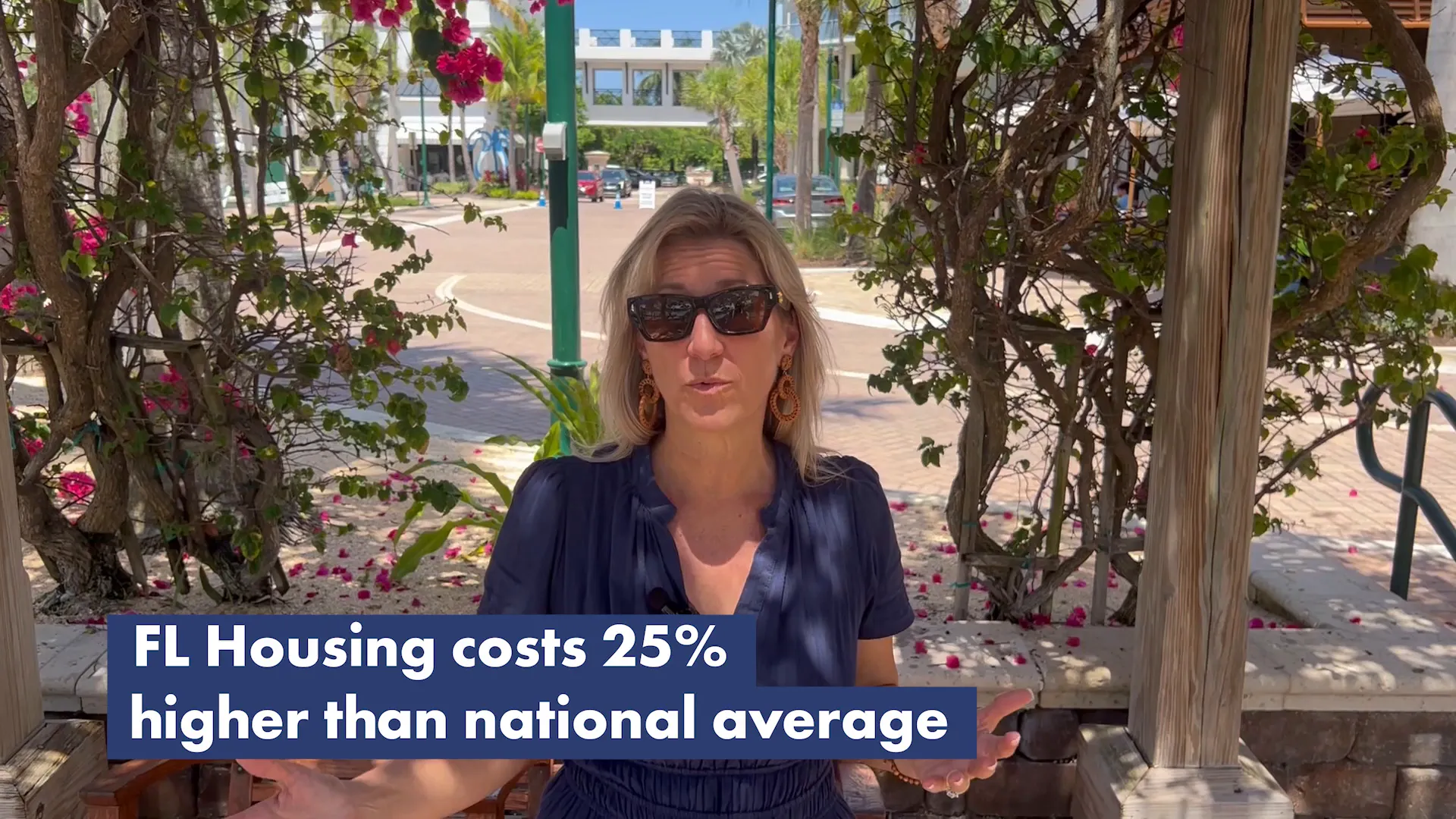
If you are moving to Palm Beach County, Florida with affordability in mind, expect to do some trade-offs. Consider neighborhoods farther inland or smaller communities if you want to manage costs while still enjoying county amenities.
Pro 5 — Celebrity Neighbors and Local Investment
It’s not unusual to share a town or a coffee shop with athletes, entertainers, and entrepreneurs. Many high-profile golfers and pro athletes live in northern Palm Beach County. Beyond the novelty of celebrity neighbors, these residents often reinvest locally in hospitals, stadiums, new sports initiatives, and restaurants—shaping local culture and economic activity.
That investment creates events, venues, and new amenities that enhance community life and attract visitors and new residents alike. If you value living in a place that draws attention and investment, moving to Palm Beach County, Florida can be very appealing.
Con 5 — A Visible Socioeconomic Gap
One of the more sobering realities of Palm Beach County is the stark socioeconomic contrast. You can find multi-million-dollar estates and residents living far more modestly within short distances. That gap can be jarring and raises complicated questions about access, policy, and local priorities.
On the positive side, philanthropy and community service are strong in many circles here. Local nonprofits and civic initiatives work to bridge gaps in education, housing, and health services, and many residents donate time and resources. Still, the disparity is real and worth recognizing when moving to Palm Beach County, Florida.
Practical Tips for a Smooth Move to Palm Beach County
Thinking about moving to Palm Beach County, Florida? Here are practical actions to make the transition easier:
- Visit in each season before committing. See how summer heat and winter crowds feel in person.
- Budget for insurance and hurricane preparedness costs up front. Factor flood insurance into homeownership calculations.
- Pick neighborhoods intentionally based on lifestyle: waterfront, golf communities, equestrian areas, or family suburbs inland.
- Learn the season rhythm and plan travel or errands around peak season to avoid frustration.
- Take advantage of no state income tax to boost savings, but balance that against higher local costs.
- Connect with local schools and choice programs early if you have school-age children; application windows matter.
- Consider energy-efficient upgrades to offset summer cooling costs and qualify for insurance discounts.
- Meet neighbors and volunteer to get plugged into local philanthropic networks that help the broader community.
How Neighborhoods Differ in Palm Beach County
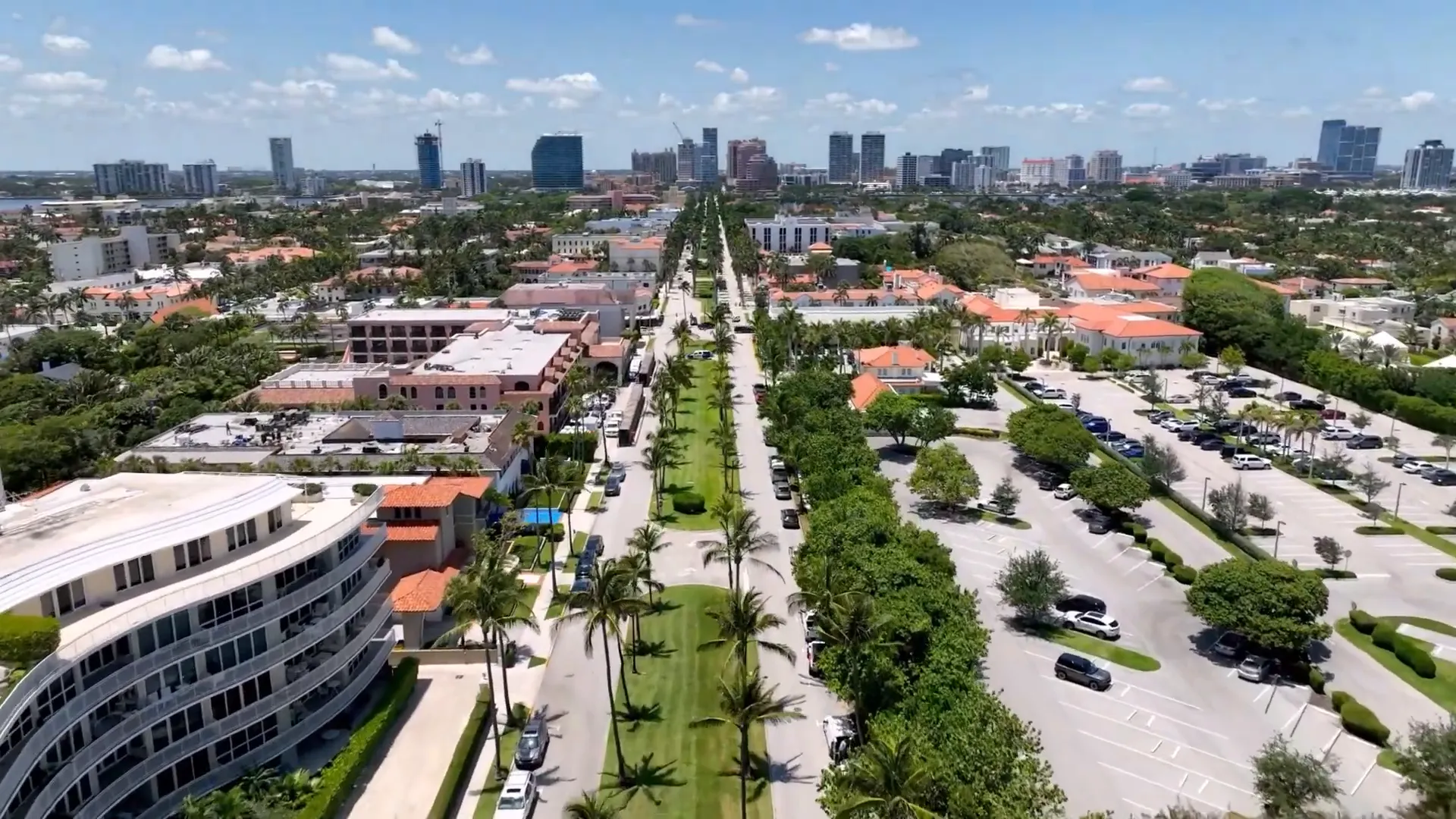
Not all parts of Palm Beach County are the same. Northern towns like Jupiter and Palm Beach Gardens feel different from Boca Raton or Delray Beach in the south. Inland towns like Wellington emphasize equestrian life and family neighborhoods. West Palm Beach provides an urban core with nightlife and restaurants. Choosing where to live depends on commute priorities, school preferences, and whether you value coastal living versus inland space.
When moving to Palm Beach County, Florida, spend time in potential neighborhoods, test commutes during peak hours, and evaluate local amenities. Neighborhood character matters as much as price.
If you’re planning a move to Palm Beach County or have questions, reach out — we’d love to help. Call or text us at 561-944-2811.
Final considerations
Moving to Palm Beach County, Florida is a lifestyle decision as much as a financial one. The county rewards people who love sun, water, and outdoor living. It offers strong schools and cultural amenities and has a unique mixture of people and places, from high-profile celebrity investment to neighborhoods with very different economic realities.
Weigh the pros and cons carefully: no state income tax and abundant sunshine versus hurricane exposure, insurance costs, seasonality, and a higher cost of living. With preparation and realistic budgeting, the move can be enormously rewarding.
Frequently Asked Questions About Moving to Palm Beach County
Is there a state income tax in Florida?
No, Florida has no state income tax. That makes moving to Palm Beach County, Florida attractive to people coming from high-tax states and can lead to significant annual savings.
Are the beaches public and free?
Most beaches in Palm Beach County are public with free access and free parking. Specific amenities like parking garages or certain beach parks may charge, but many beaches allow free access for parking and swimming.
How bad is hurricane season and do I need flood insurance?
Hurricane season runs from June through November and brings elevated risk. Flood insurance is strongly recommended because of the high water table and coastal geography. Many buyers purchase both homeowners and flood policies and consider upgrades like impact windows.
When is the best time to move to avoid crowds?
To avoid peak crowds and snowbird traffic, plan moves outside November through April. Late spring or summer months are less crowded, but remember that summer brings heat and thunderstorms.
How expensive is housing and cost of living?
Housing costs in Palm Beach County are generally about 25 percent above the national average. Everyday costs like groceries and dining are also higher than many parts of the country. Inland neighborhoods and smaller communities can be more affordable.
Are there good schools and special programs?
Yes. Palm Beach County has many highly rated public schools and specialized choice programs at middle and high school levels for focused study areas such as pre-med or finance. State scholarships and homeschool-friendly policies also provide flexible education options.
Do celebrities really live here and does that change the community?
Yes, many professional athletes and public figures have homes in the county. Their presence often brings investment in local infrastructure and cultural projects, which can enhance amenities and events in the region.
How do I pick the right neighborhood?
Start by prioritizing commute time, school options, lifestyle (beach, equestrian, golf, urban), and budget. Visit neighborhoods at different times of day, check local amenities, and work with someone knowledgeable about the county to understand hidden differences between communities.